
Metallic Epoxy Floor Styles and Where They Fit
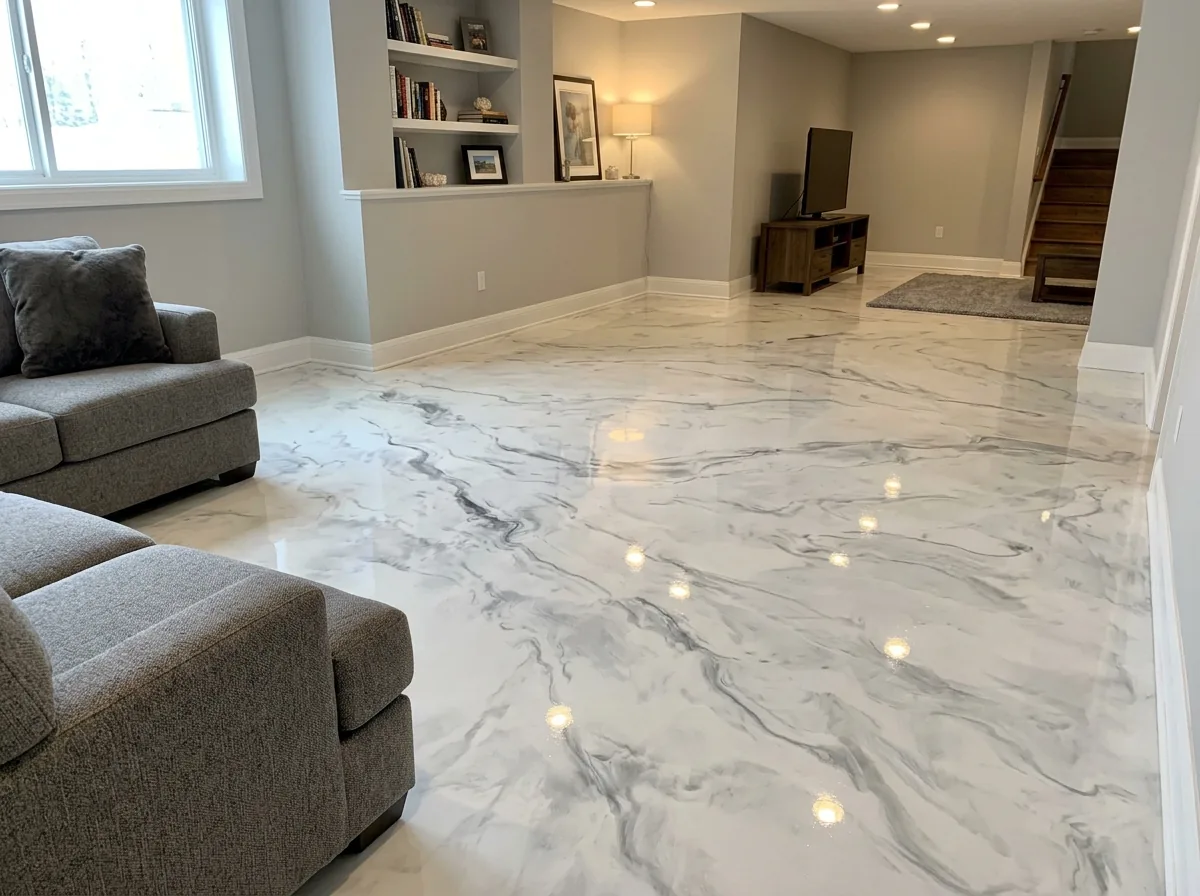
Marble-Effect Metallic
Marble-style floors use thin veins of darker metallic over a light field to imitate natural stone. They read calm and polished, which suits living spaces, entries and offices more than workshops. The base color sets the mood: one maker's guide says black, gray and white bases are the usual choices under its metallic coat. Ask for a sample board in your chosen colors, and look at it under the lights of the room it's going in. Ask, too, how the veins will run through doorways and around cabinets, since the pattern is poured in one go and is hard to line up afterward.
- Base colors commonly used under metallic: black, gray or white
- Each floor's veining is one of a kind
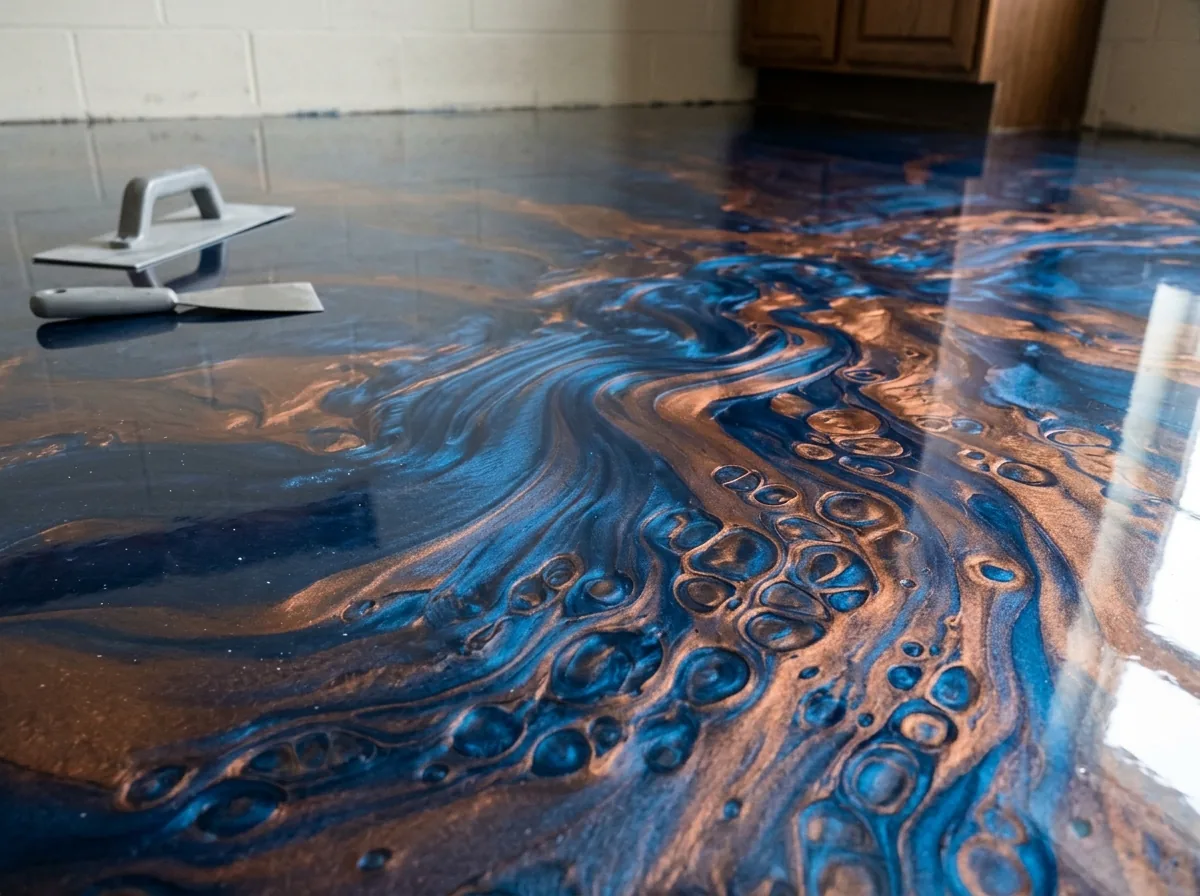
Wave and Cell (Lava) Effects
Wave floors come from working the wet metallic resin with whatever tools the installer prefers, so the pigment flows into ripples and swirls. Cells, the round lava-like spots, are a separate trick: one maker's crew sprays isopropyl alcohol of 91% or stronger over the wet layer, which breaks the surface into cells and disperses the color. These effects are bold, and they suit rec rooms and shops more than formal rooms. Because the result depends on the person holding the tools, ask to see photos of the installer's own wave or cell floors, not stock images.
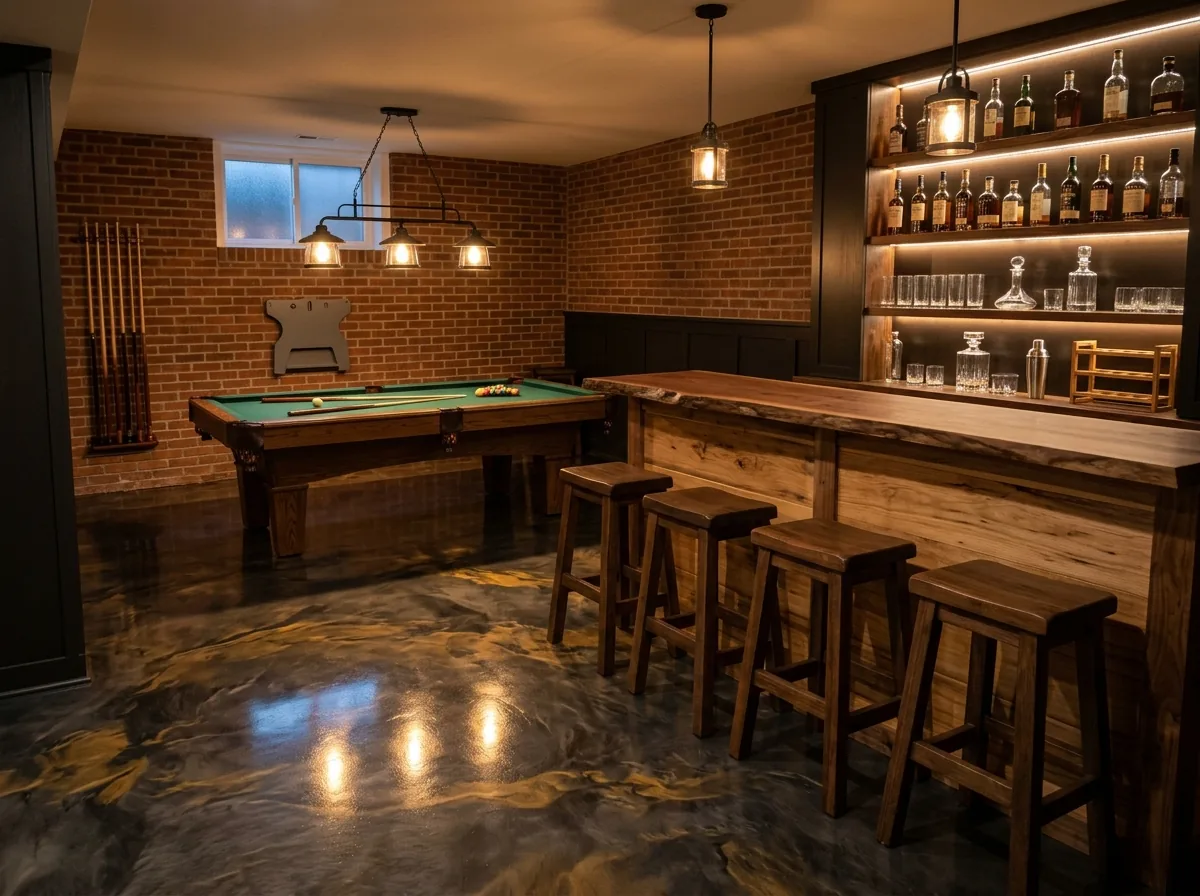
Basement Bars and Rec Rooms
A home bar is a good fit: spills wipe up, and the floor becomes the room's main feature. One metallic system's chemical chart rates it good against vinegar and citric acid and excellent against bleach and isopropyl alcohol, which covers most bar spills. Basements bring two conditions. The slab has to pass a moisture test first (basement floor epoxy), and it has to be flat, because a self-leveling pour 32 to 80 mils thick settles into dips and shows ridges.
- Metallic layer: 32 to 80 wet mils on one data sheet
- Moisture test before the pour, not after
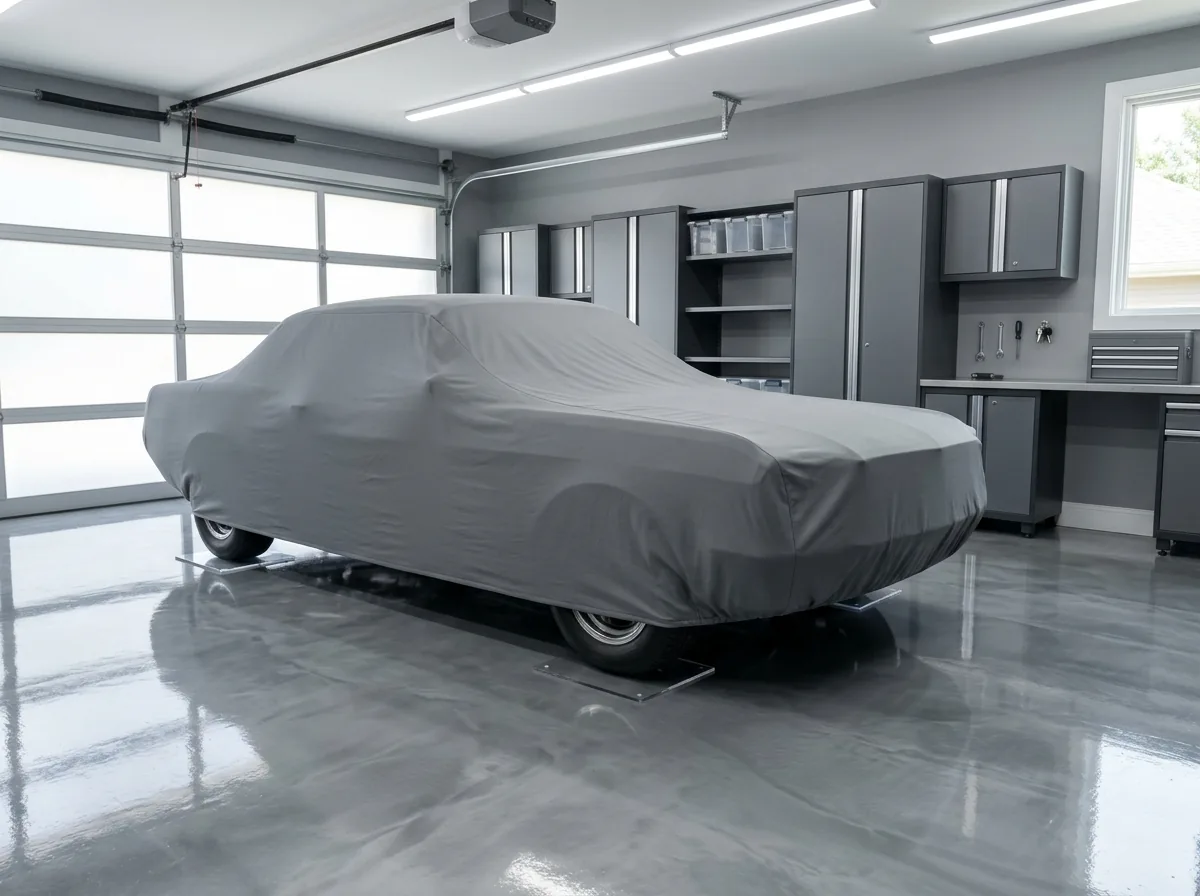
Showroom Garages for Collector Cars
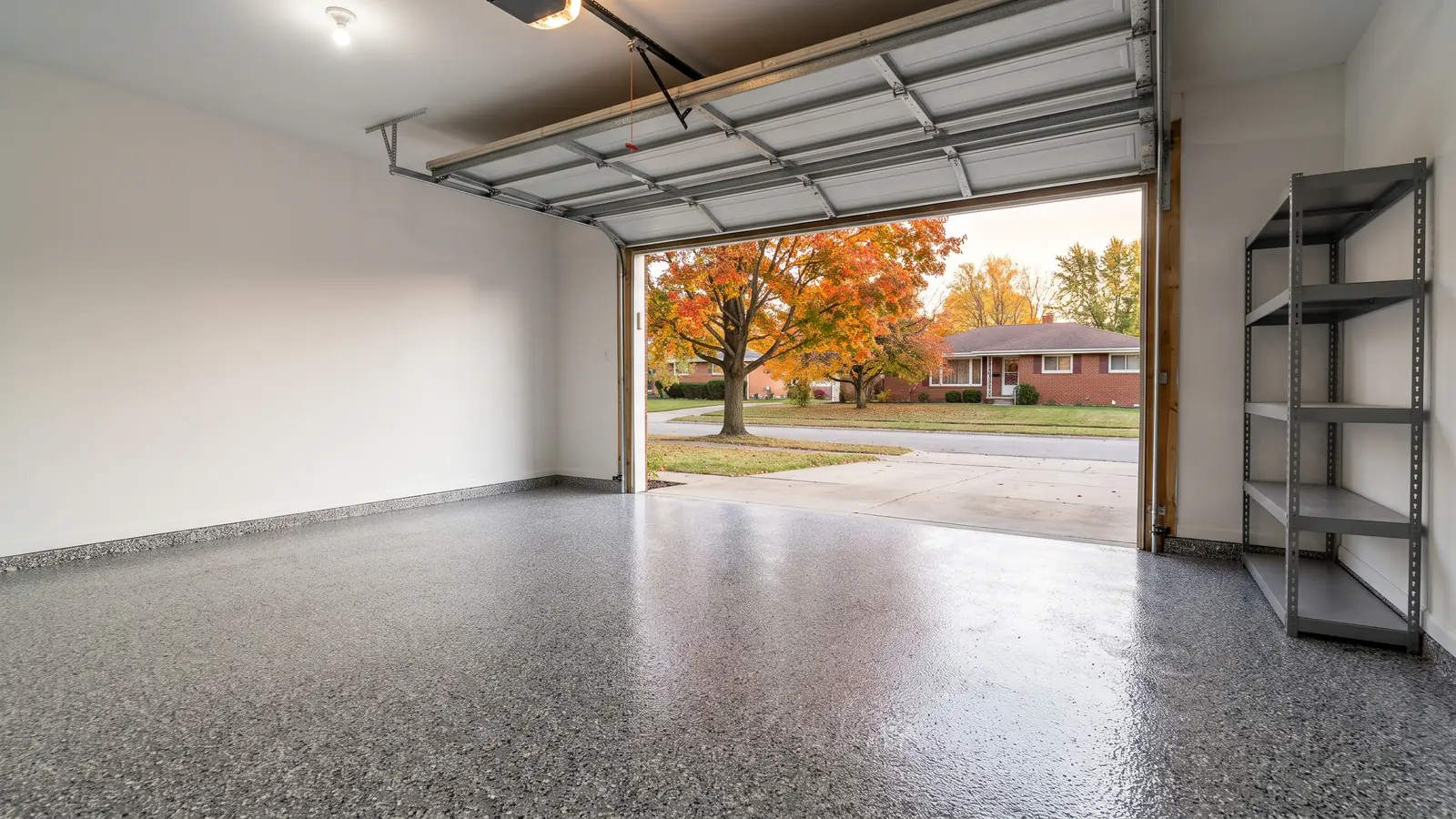
A metallic floor under a collector car looks the part, and a car that's driven rarely is gentler on it than a daily driver. A few precautions keep it looking that way. One maker suggests a small piece of nonporous material, such as sheet metal or plexiglass, under the tires of parked vehicles to prevent tire marks. Warm tires lift weak coatings (hot-tire pickup), and sunlight through an open door ambers plain epoxy, so ask for a UV-stable topcoat such as a polyaspartic (polyaspartic floor coating).
- Under parked tires: a sheet of plexiglass or metal
- Topcoat: UV-stable, rated for hot tires
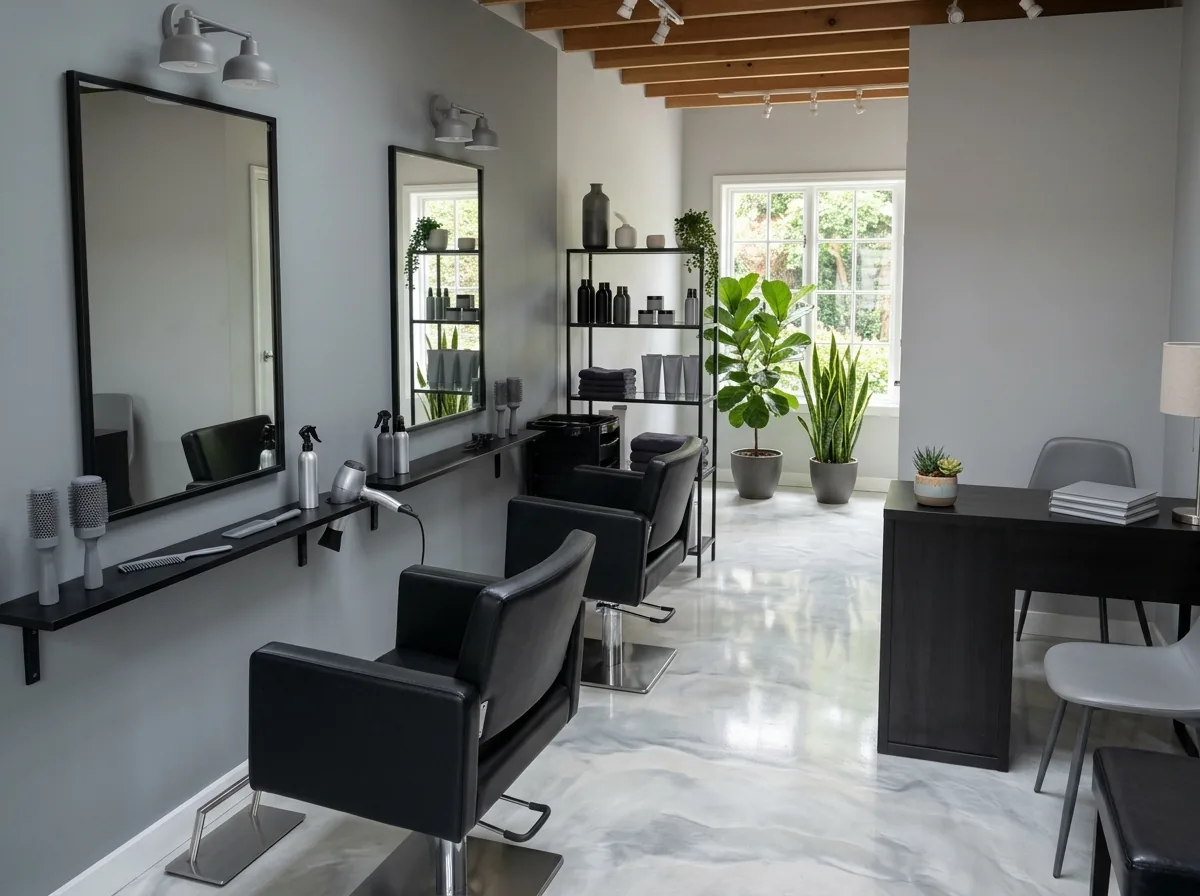
Retail Shops and Salons
In a salon, boutique or tasting room, the floor is part of what customers remember. The things to check are traffic and chemicals. Rolling chairs and foot traffic wear the topcoat, so ask how often walkways will need a fresh one. Hair dye, nail polish remover and cleaning products vary, so compare the chemical resistance chart with what your staff actually uses. For floors that need to stay open during the work, see commercial epoxy flooring.
Why Evansville homeowners and businesses call Evansville Epoxy
- One installer per request, never a list of callers
- Ask for the coating system and cure times in writing
- Ask that the moisture test and grinding appear in the quote
- No charge to you for the referral
How a Metallic Floor Is Built, Layer by Layer
A metallic floor is a stack of coats, each one doing a different job. One manufacturer's metallic system guide lists this build:
| Layer | What it does | Thickness |
|---|---|---|
| Clear epoxy primer | Soaks into the ground concrete and seals it | 3 to 8 mils |
| Pigmented base coat | Sets the background color under the metallic | 8 to 12 mils |
| Metallic layer | Clear epoxy with metallic pigment, poured and worked by hand | 30 to 48 mils |
| Satin topcoat | Protects the metallic layer and sets the sheen | 3 to 5 mils wet |
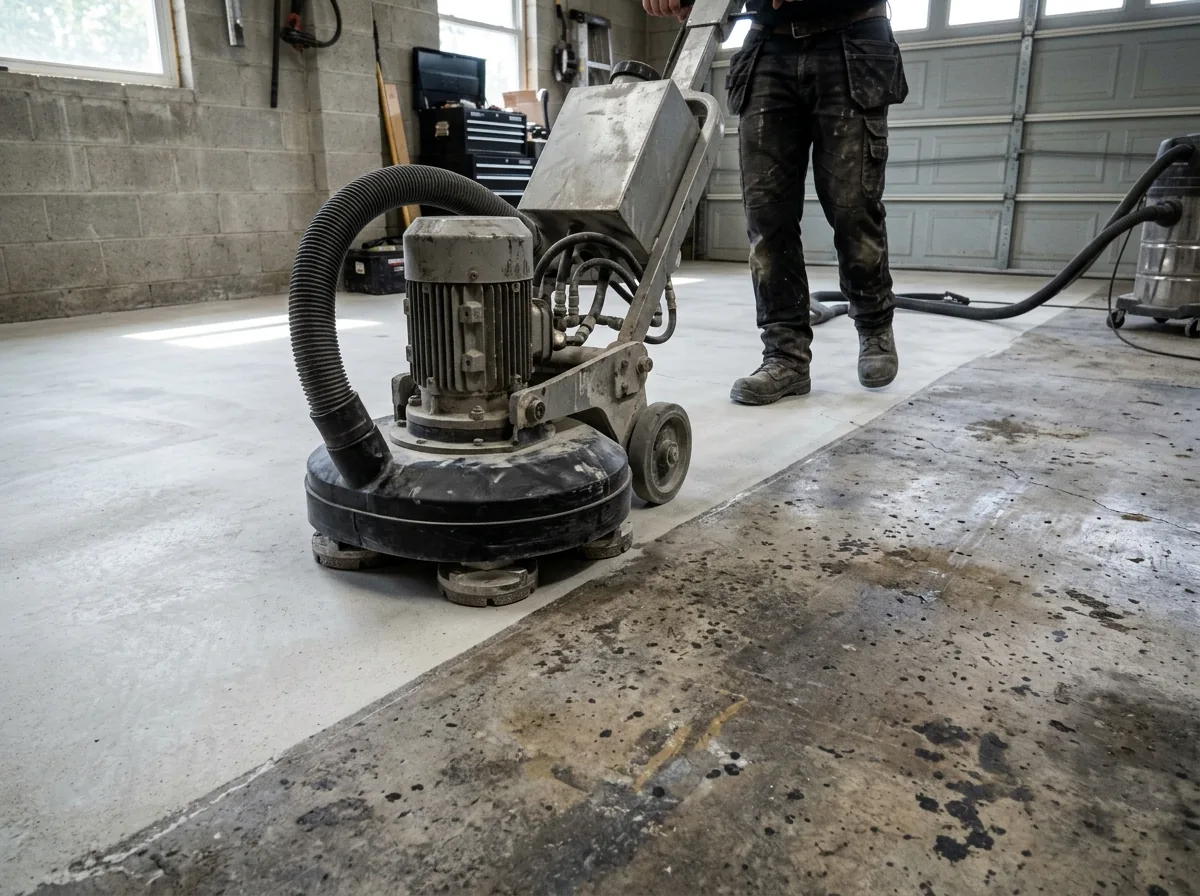
The same guide asks for concrete ground to CSP 3 or rougher before any of it goes on (concrete grinding). The metallic product sheet adds the conditions: air, surface and material between 60°F and 85°F, and the floor at least 5° above the dew point. That rules out an unheated garage for much of an Evansville winter unless the space is heated for the job. Once poured, the metallic coat gives the crew 30 to 35 minutes of working time, and it has to be topcoated within 48 hours.
Metallic or Flake: Choosing Between the Two
Most people weighing a metallic floor are also looking at flake. They suit different rooms:
| Metallic | Flake | |
|---|---|---|
| Upcharge over a basic coat | much larger (see the top of this page) | small (garage floor costs) |
| Days on site | several, with about 16 hours between coats | often one with a fast-cure system |
| Surface | smooth, deep gloss | lightly textured by the chips |
| Hides slab flaws and stains | no; flaws show through | yes |
| Best fit | basements, bars, showrooms, shops | working garages, mudrooms, shop floors |
If the floor carries a daily driver, salt slush and dropped tools, flake is the practical pick (flake epoxy floor). If the room is mostly for living, showing or selling, metallic is worth the extra cost and days.
Living With a Metallic Floor
Expect scratches to show on gloss
Grit tracked across the floor dulls it fastest. The maker's maintenance advice is walk-off mats at the doors, a soft pad and a mild cleaner, and quick cleanup of spills.Plan on topcoat upkeep
Heavy walkways may need a fresh topcoat over time; the metallic layer underneath stays.Repairs won't match exactly
Every pour is unique, so ask the installer how they would handle a gouge or a damaged patch before you sign.Choose the sheen for the room
Gloss shows the most depth. The system guide above uses a satin topcoat; ask to see both on a sample board.