

Residential Epoxy Flooring and Garage Floor Coatings in Evansville
The median Evansville home was built in 1962, and more than two-thirds of the city's housing went up before 1980. That means a lot of garage and basement slabs carry fifty years of oil stains, patched cracks, flaking paint and winter salt. Most coating jobs here start with fixing that slab. The finish you pick comes after, and it sets the look and the price.
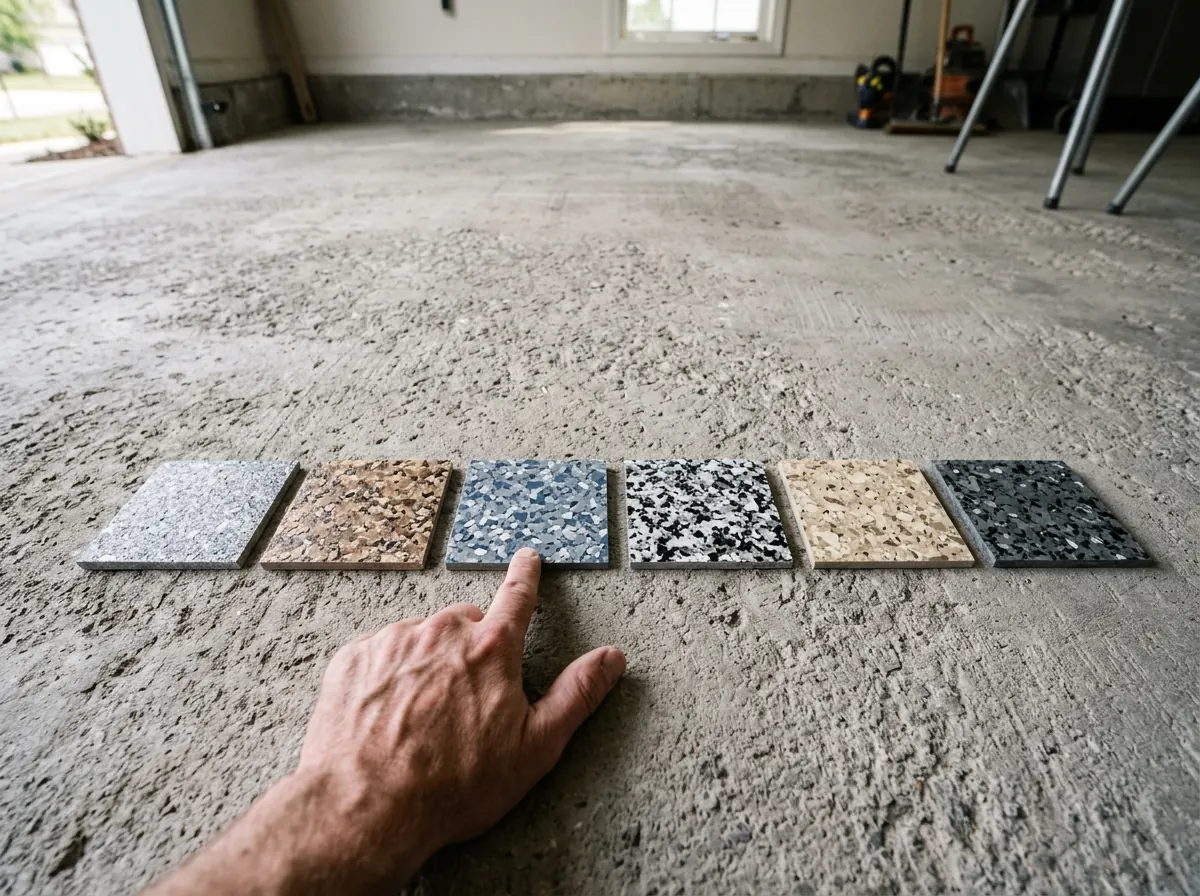
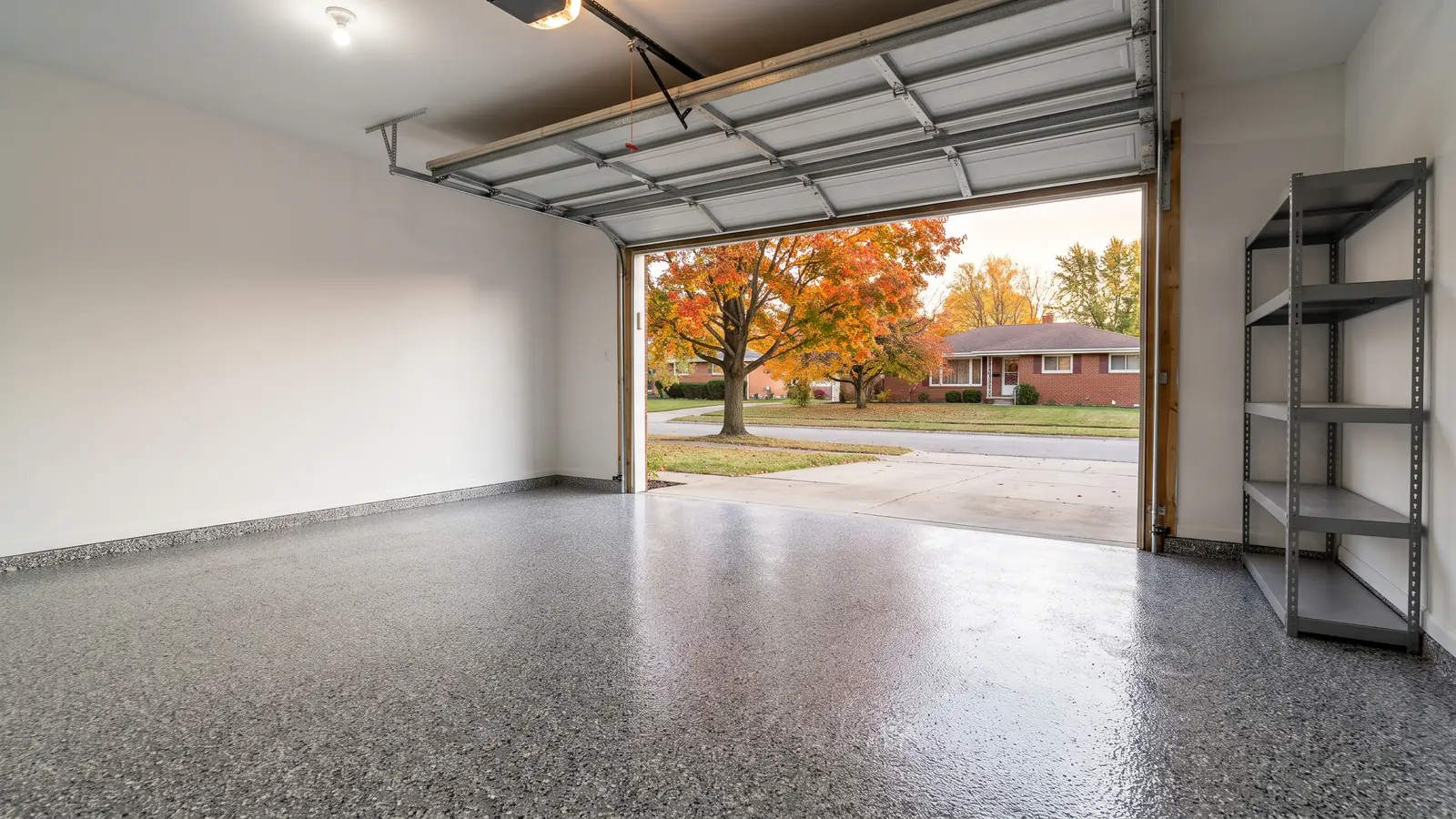
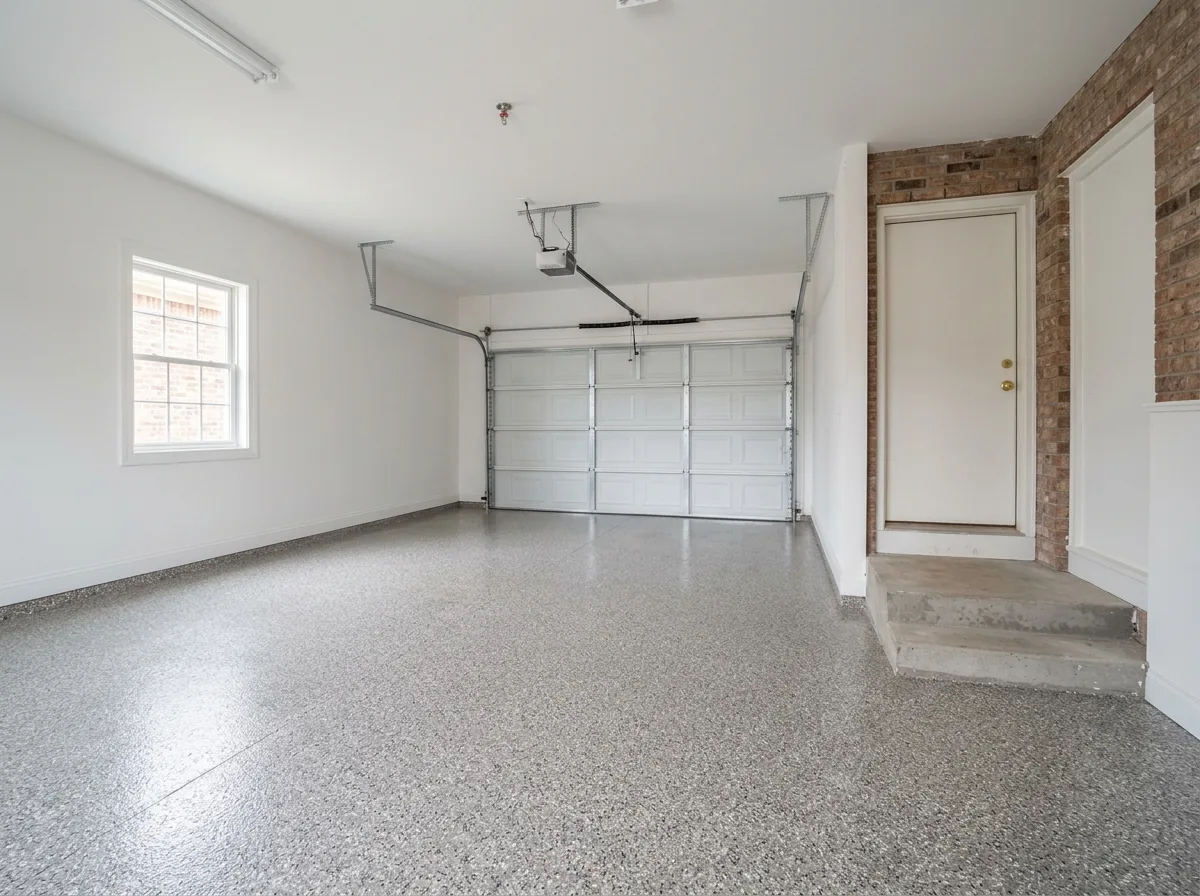
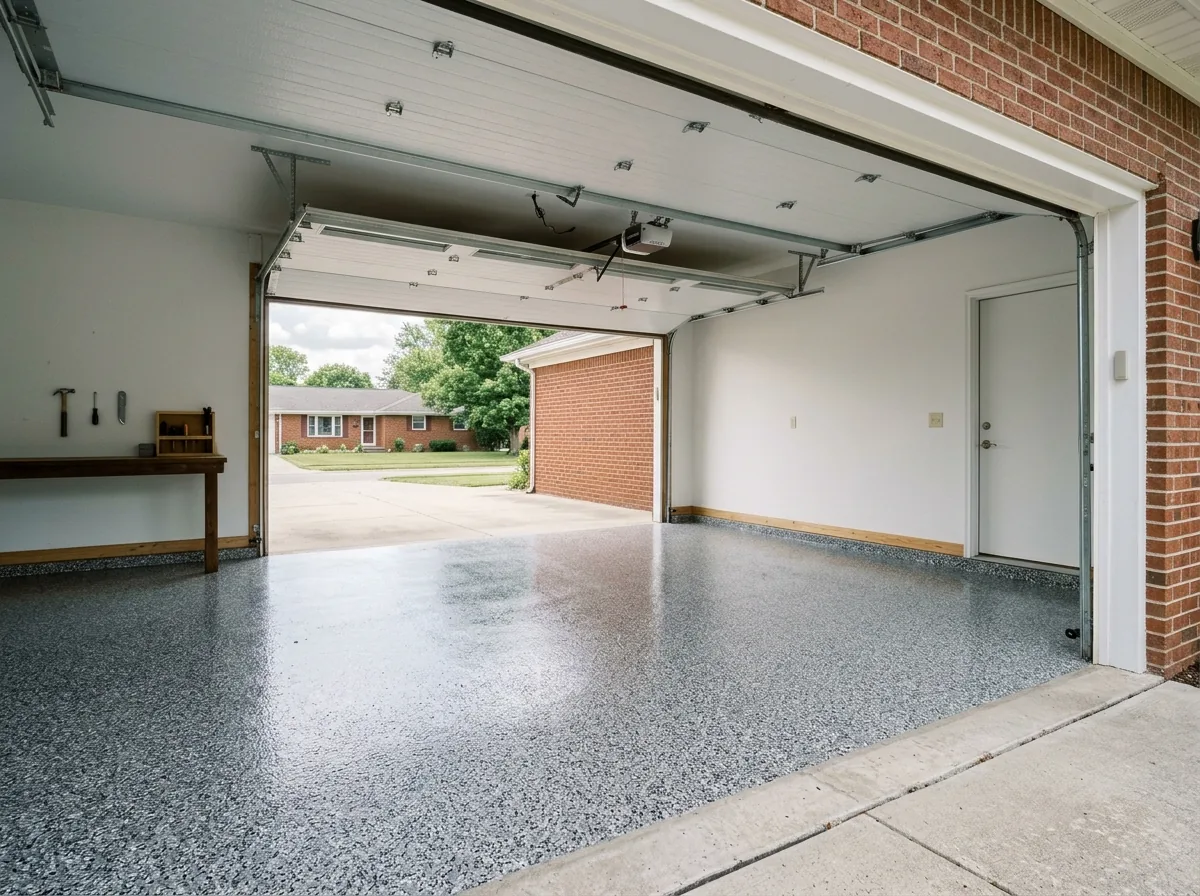
Flake Epoxy Garage Floor Coatings
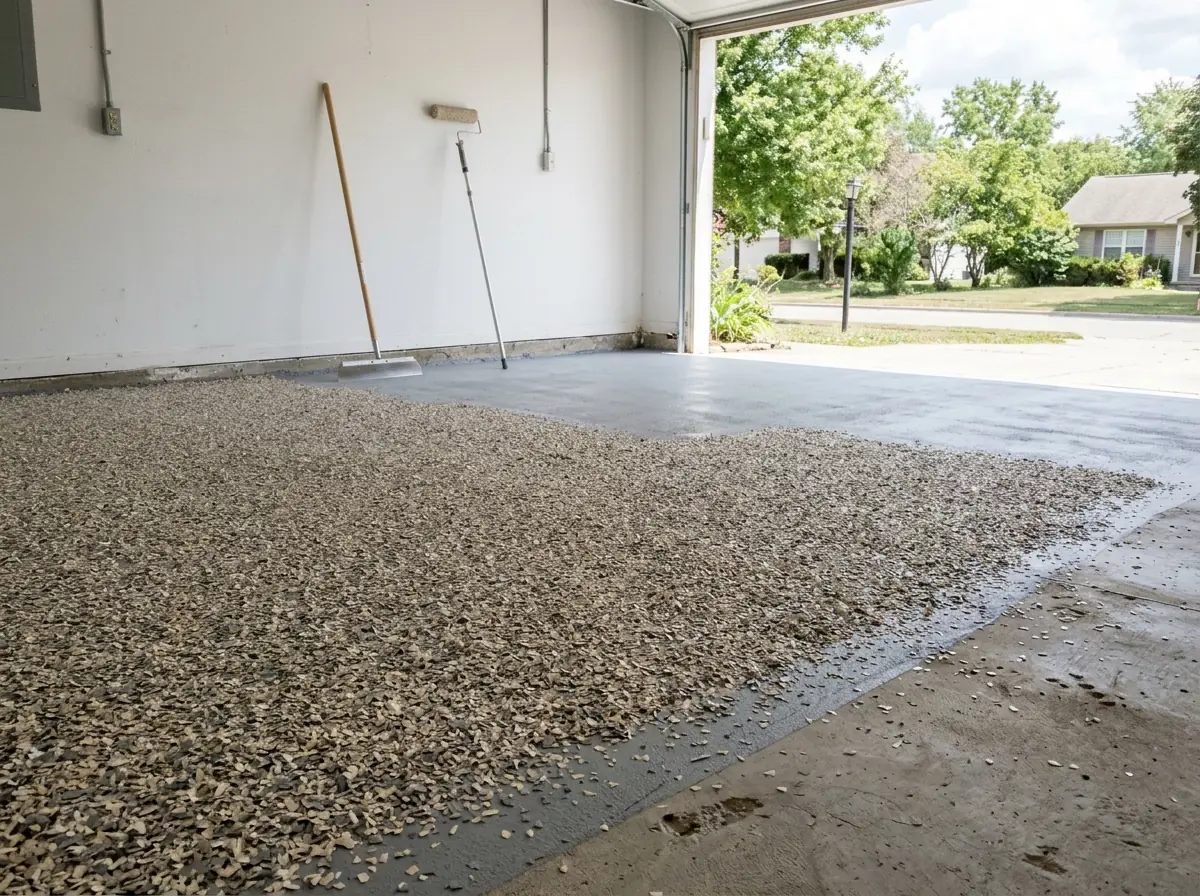
On a full-broadcast flake floor, the installer grinds the slab, rolls a pigmented base coat, then throws vinyl chips by hand until the wet base disappears under them. Once it hardens, the loose chips are scraped and swept off and a clear topcoat locks the rest in. The chips hide the stains and hairline repairs a solid color would show, and they give the surface a slight texture underfoot.
- Typical Evansville range for an installed epoxy floor: $5 to $8 a square foot
- Decorative flake blends add roughly $0.50 to $2 a square foot
- Two-car garage (about 500 square feet): roughly $2,500 to $4,000
Chip sizes and custom blends are on Flake Epoxy Floor in Evansville; for one-, two- and three-car garages, heated slabs and garage gyms, see Epoxy Garage Floor Coating in Evansville.
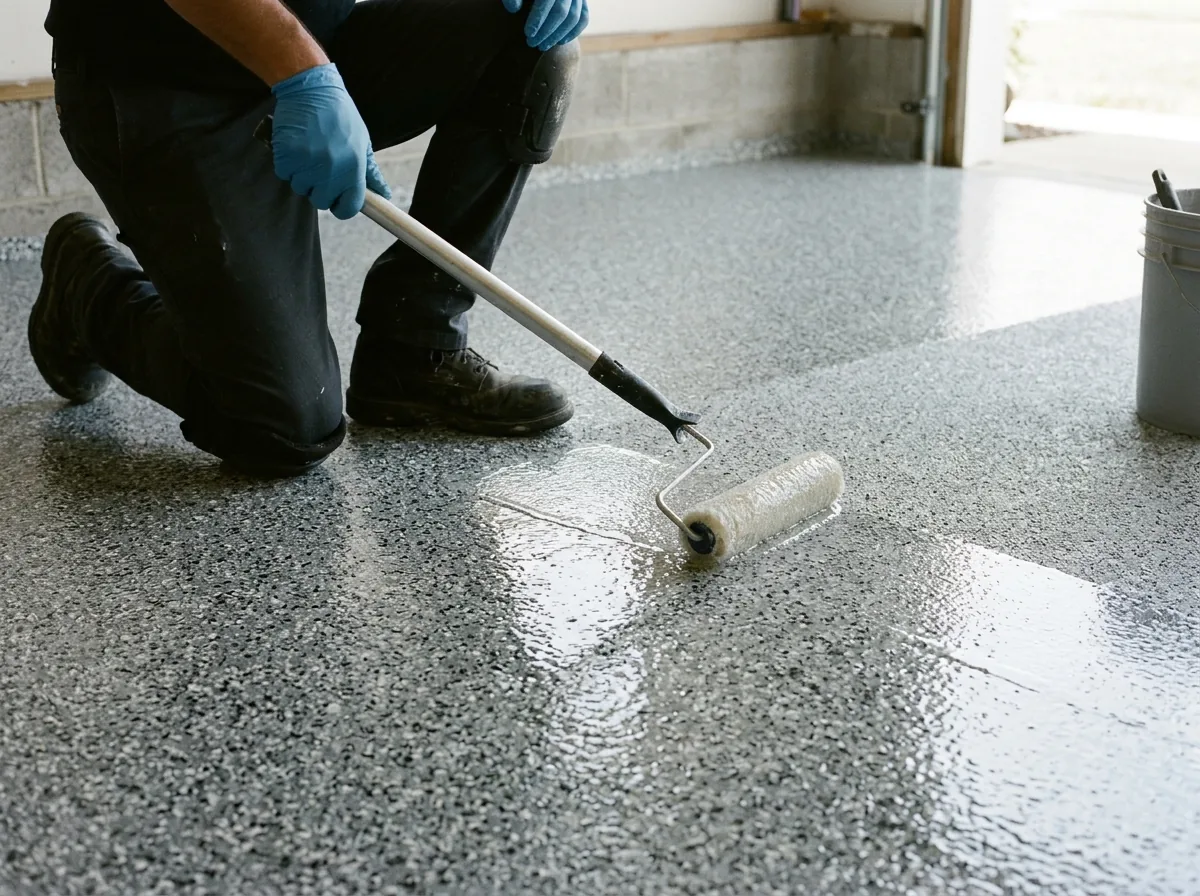
Polyaspartic One-Day Garage Floors
Polyaspartic is a fast-curing relative of polyurea. Because it sets in hours, not days, the whole floor (base, flake and topcoat) can usually go down and cure in one day. It doesn't yellow in sunlight the way standard epoxy can, and it tolerates more slab moisture. The catch is working time: it hardens in the bucket quickly, so it's a coating for crews who do it daily, not for a weekend kit.
- Installed cost: about $5 to $12 a square foot
- Ready for cars in roughly 24 to 48 hours
- Rated 10 to 20 or more years on a home garage
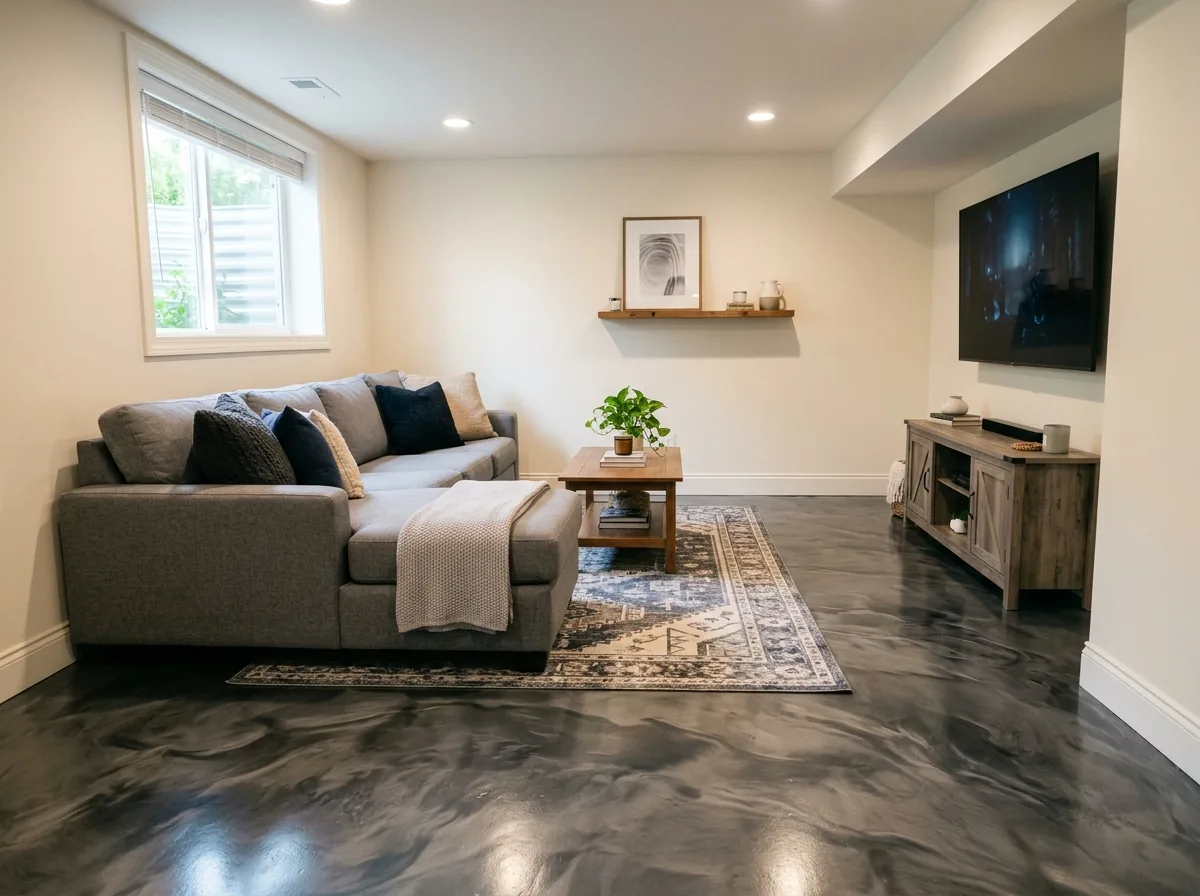
Metallic Epoxy Floors
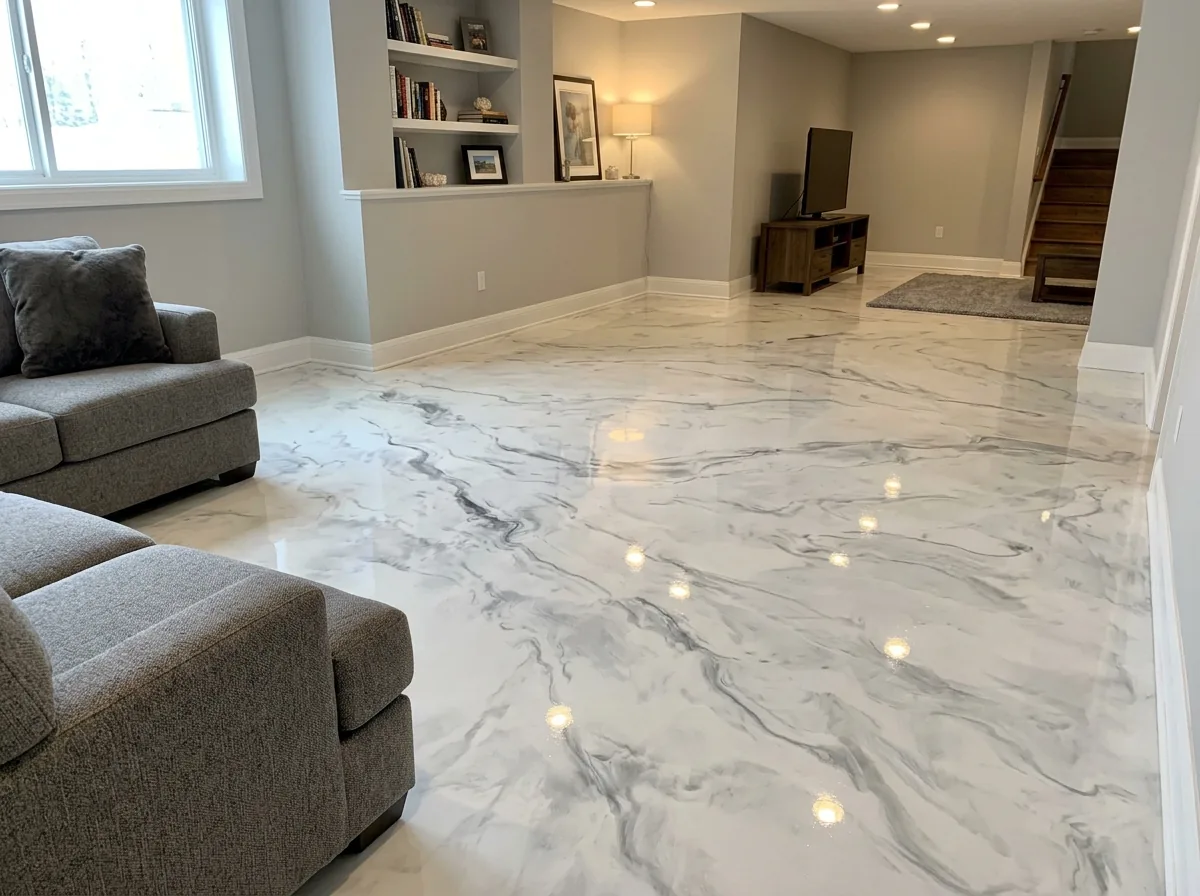
Metallic epoxy uses mica pigments suspended in a clear epoxy. The installer moves the wet resin with rollers, brushes or a blower to make swirls and depth, so no two floors come out the same. It suits finished basements, home bars, man caves and showrooms more than working garages, because a smooth glossy surface shows scratches and gets slick. The slab needs to be flat and well repaired first, since every bump shows through.
Metallic, flake and multi-color effects add about $5 to $12 a square foot over a basic coat.
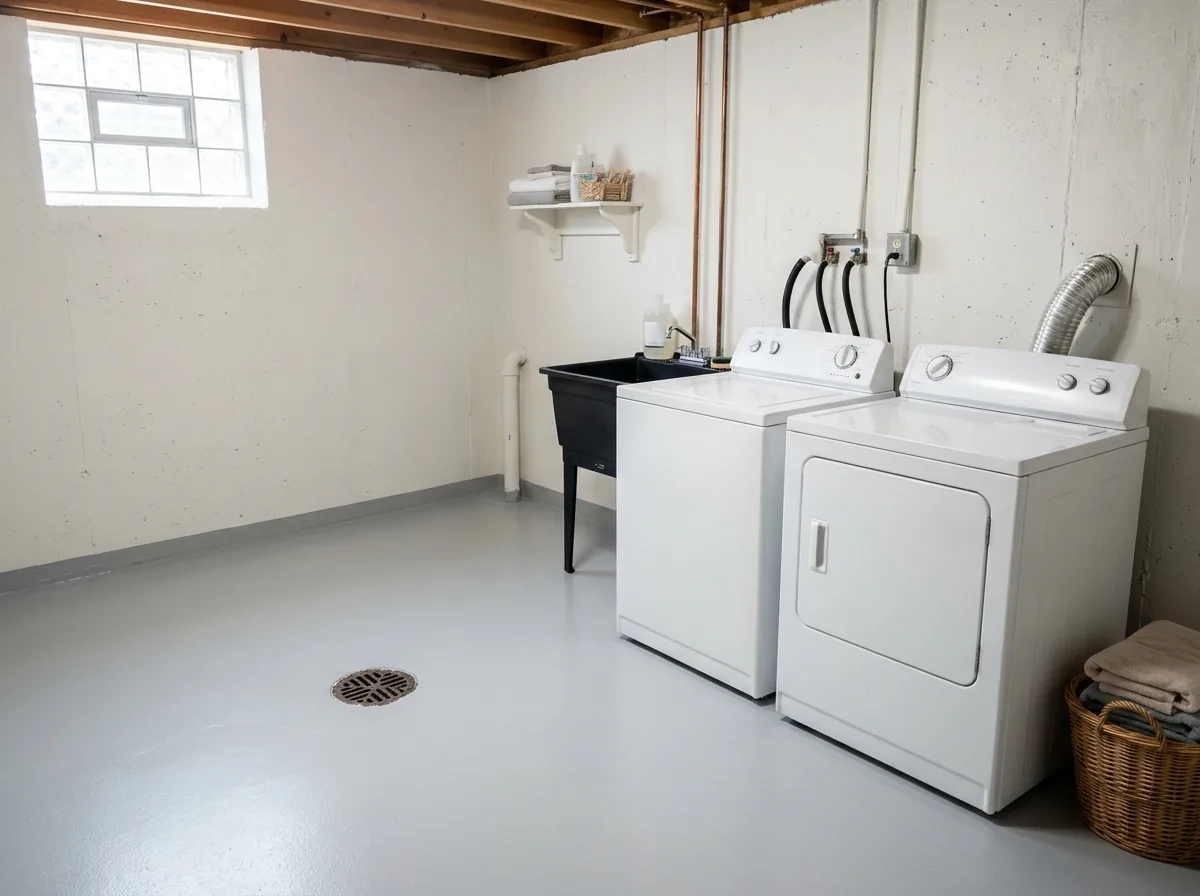
Basement Floor Epoxy
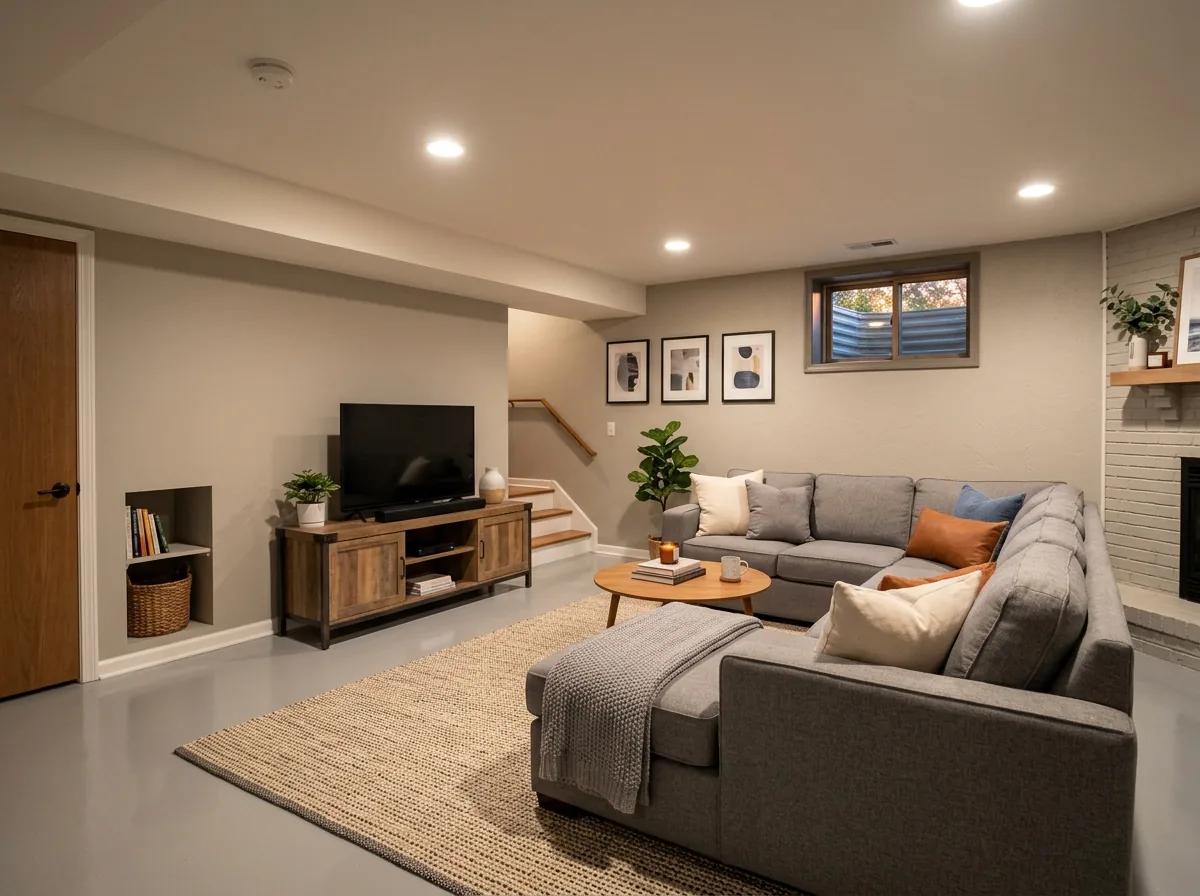
Basements are where coatings fail most, and moisture is nearly always why. Concrete below grade breathes water vapor up through the slab. A coating laid over a damp floor can blister and peel within months. Two tests settle it before any money goes into resin: the calcium chloride test (ASTM F1869) and in-slab relative humidity probes (ASTM F2170). One common 100% solids epoxy sets its limits at 3 pounds per 1,000 square feet per day and 75% relative humidity. Above that, a moisture-vapor barrier primer goes down first.
- Evansville basement epoxy, 500 square feet: about $2,500 to $4,000
- 1,000 square feet: about $5,000 to $8,000, not counting moving your things out
- Moisture and hardness testing: $50 to $300
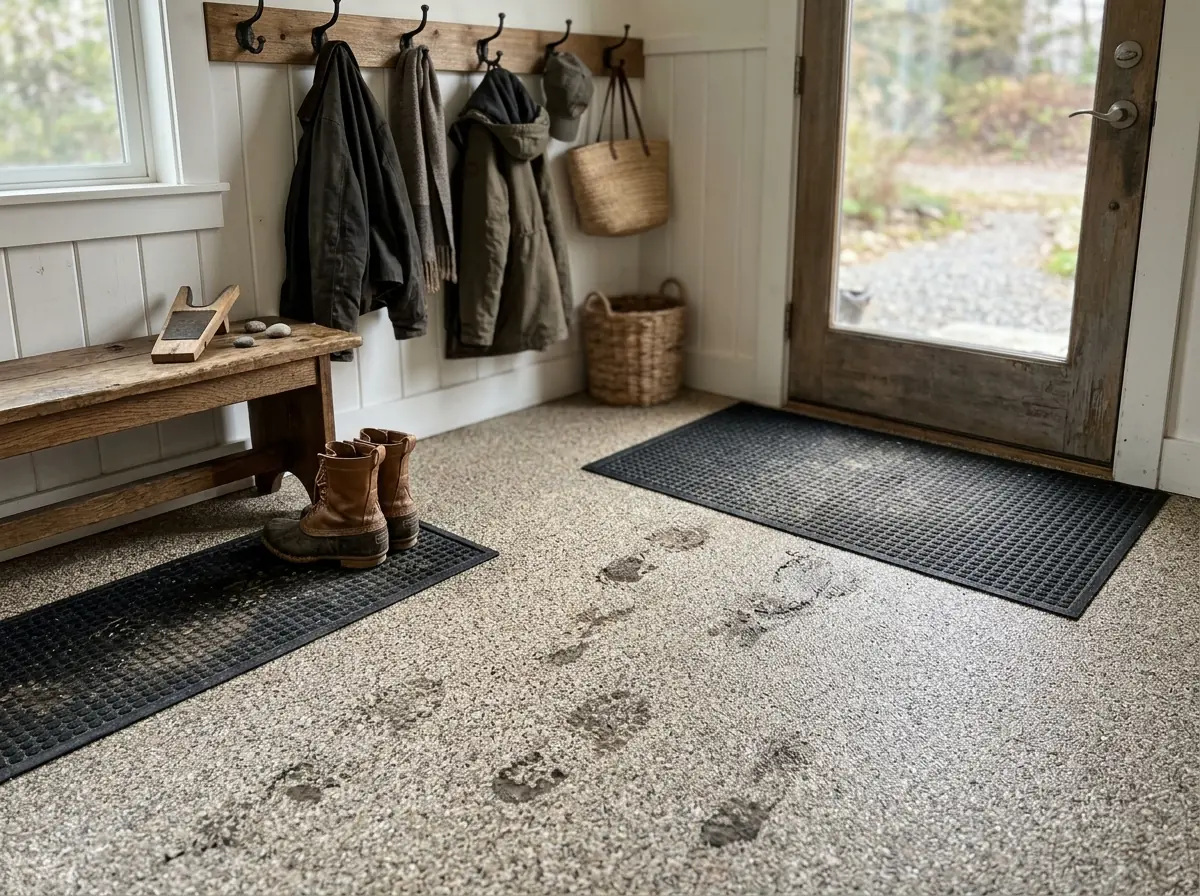
Quartz Epoxy Floors for Mudrooms and Laundry Rooms
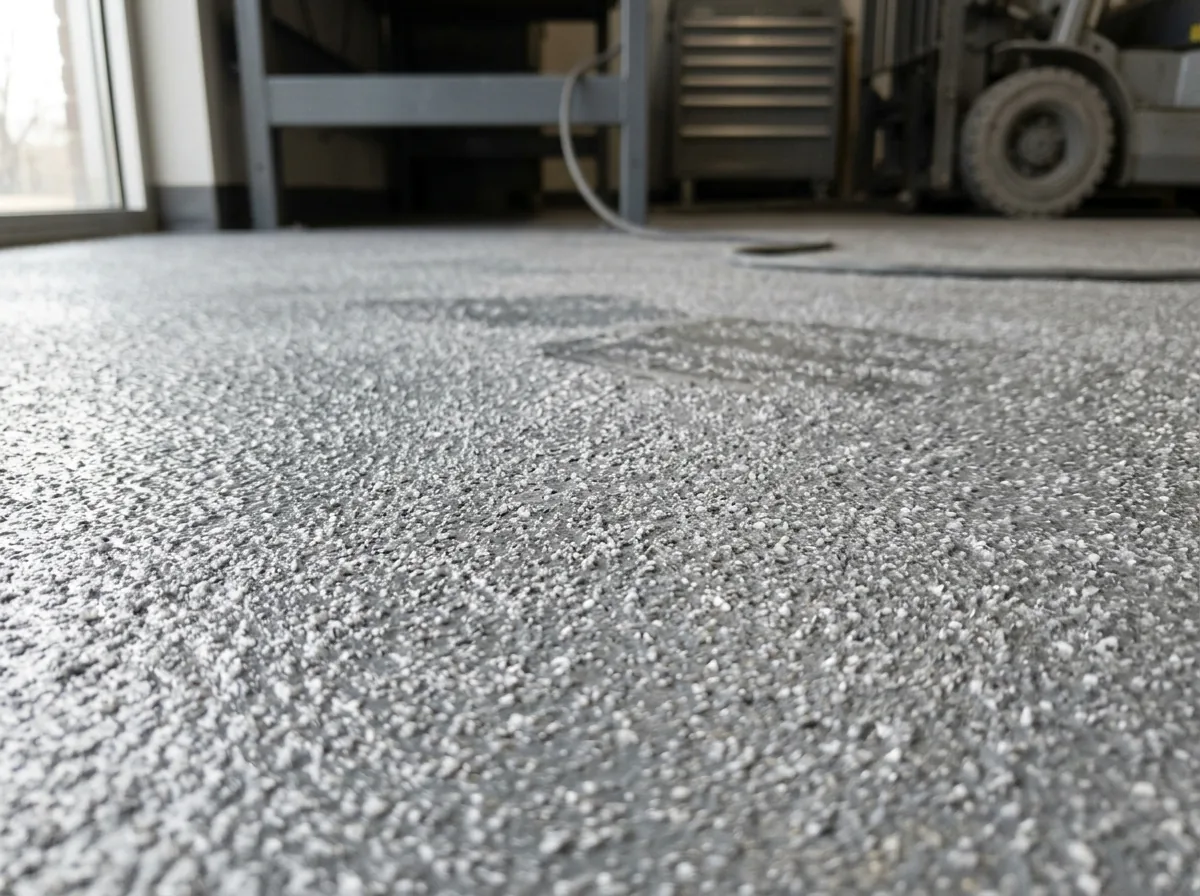
Quartz systems broadcast colored quartz sand into the wet epoxy, often in more than one layer, and seal it with a clear coat. The sand leaves a textured surface, and texture is what gives a resin floor its grip, so quartz suits mudrooms, laundry rooms, locker rooms and the floor around pool equipment. The sand is for looks and traction, not chemistry: a coating maker's own FAQ notes that flake and quartz add color and texture, while the resin does the protecting.
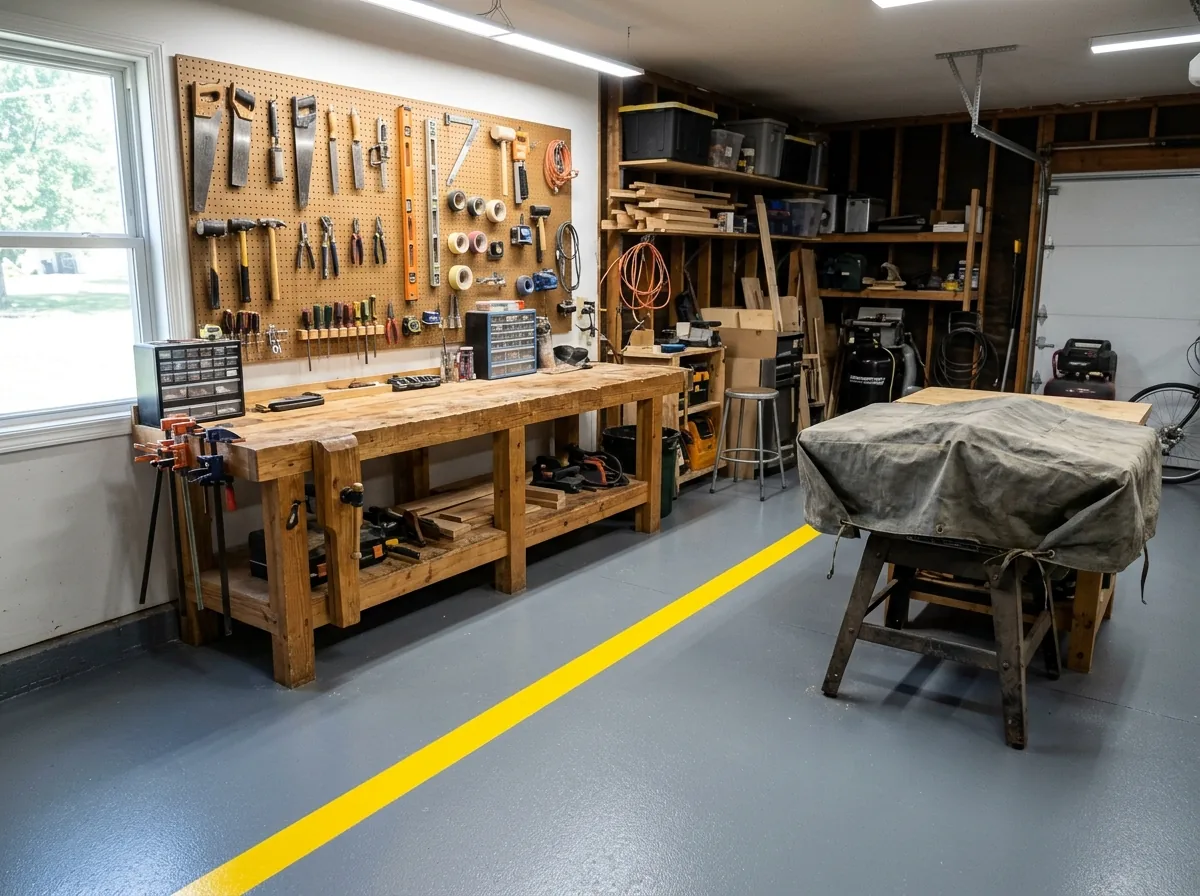
Solid-Color Epoxy for Home Workshops
A pigmented solid-color epoxy is the plainest system. It makes a bright, easy-to-sweep floor for a shop where you drop bolts, spill oil and roll a creeper. It also shows every chip and repair, so the prep has to be good. Ask for an anti-slip additive in the topcoat if the floor will see water or oil, and a painted walkway line costs little while the floor is being done.
Detached garages used as workshops have their own section on the garage floor coating page.
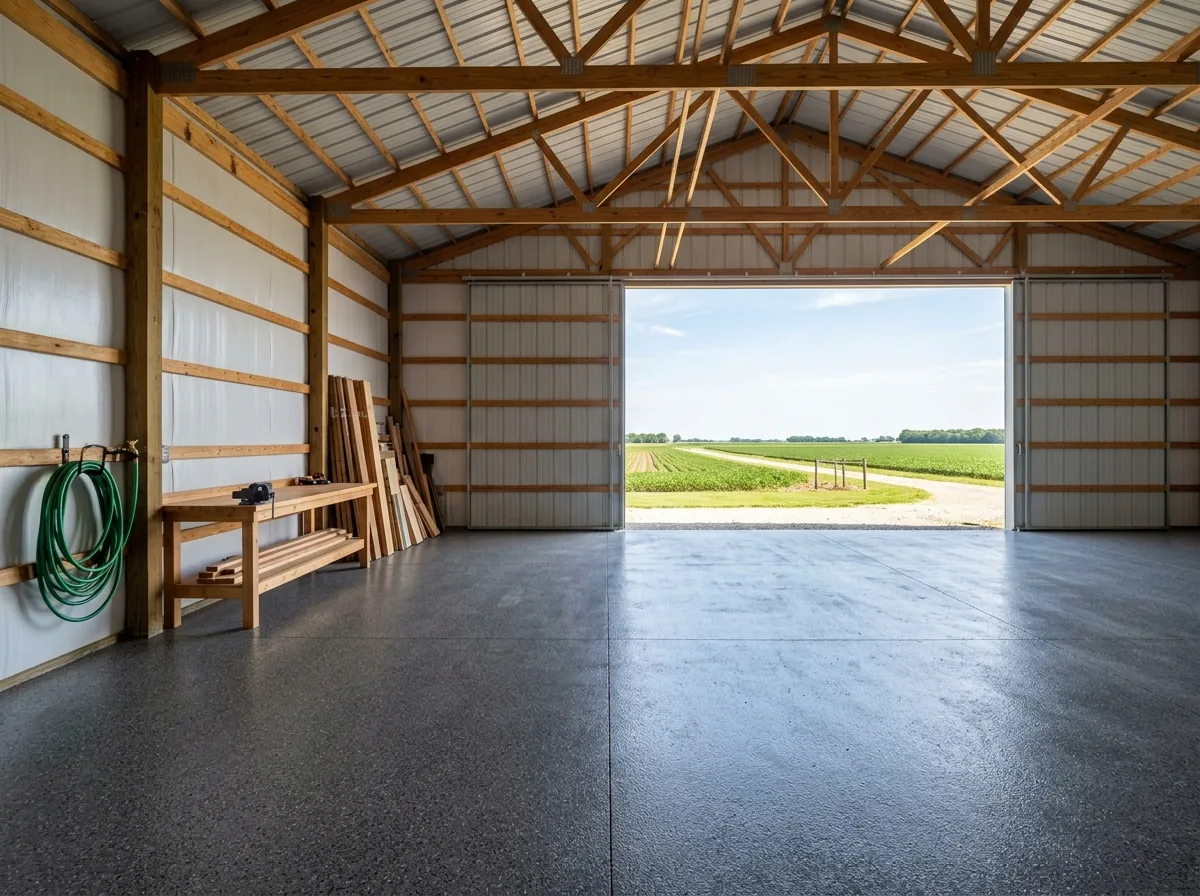
Pole Barn and Shop Floor Coatings
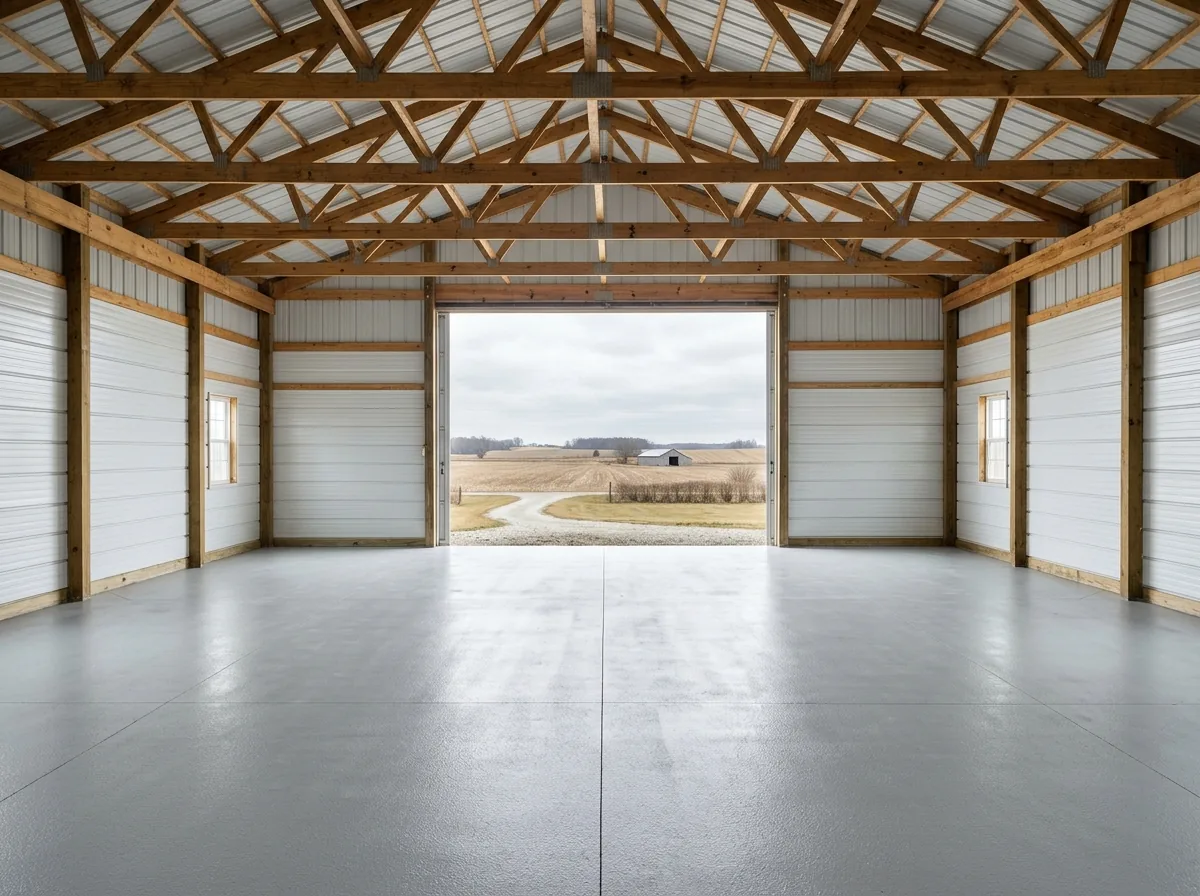
Post-frame shops and pole barns have big slabs with long saw-cut joints, heavy equipment and doors that stay open in all weather. A flake or solid system works here, with the joints filled flexibly so the coating doesn't crack along them. Setup and grinding carry fixed costs, so ask how the per-square-foot price changes with the size of the floor. Ask the installer how they handle the big door threshold, where water and grit sit.
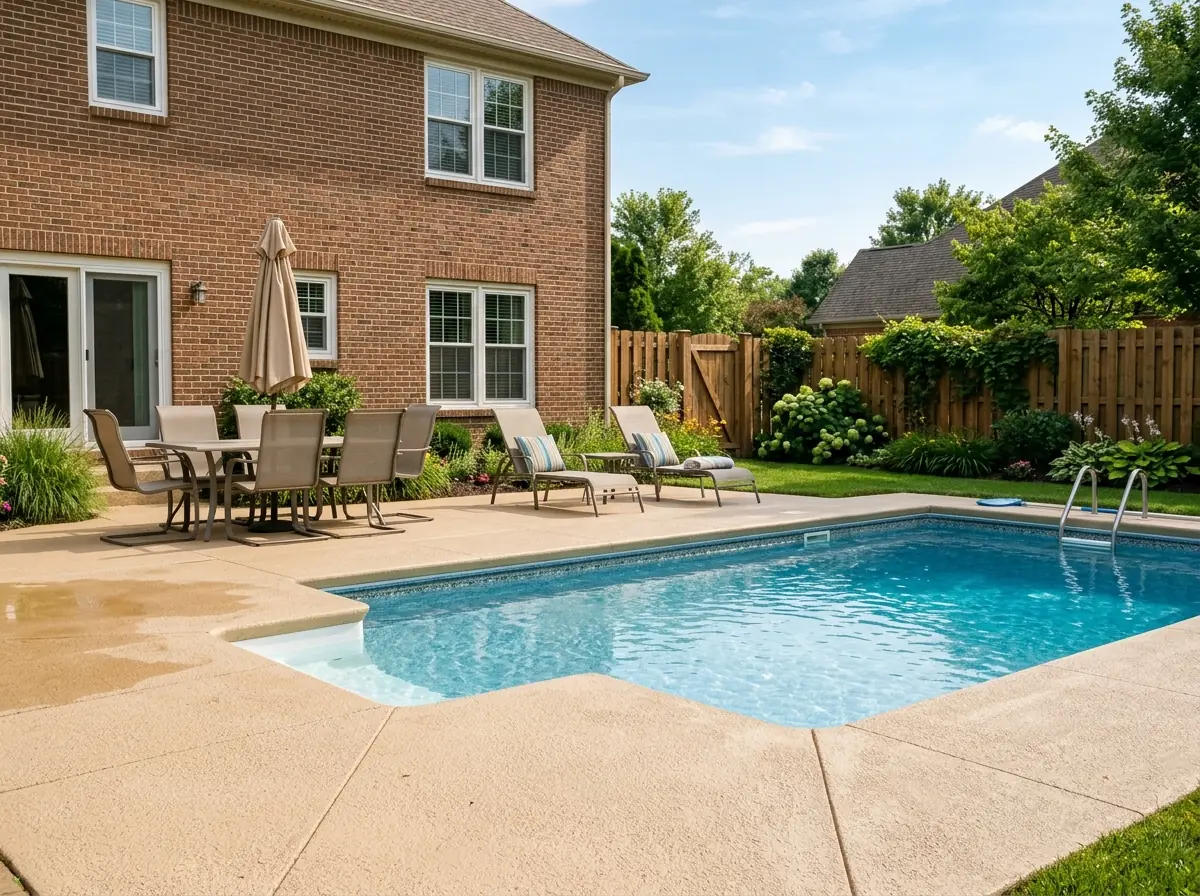
Patio, Porch and Pool Deck Coatings
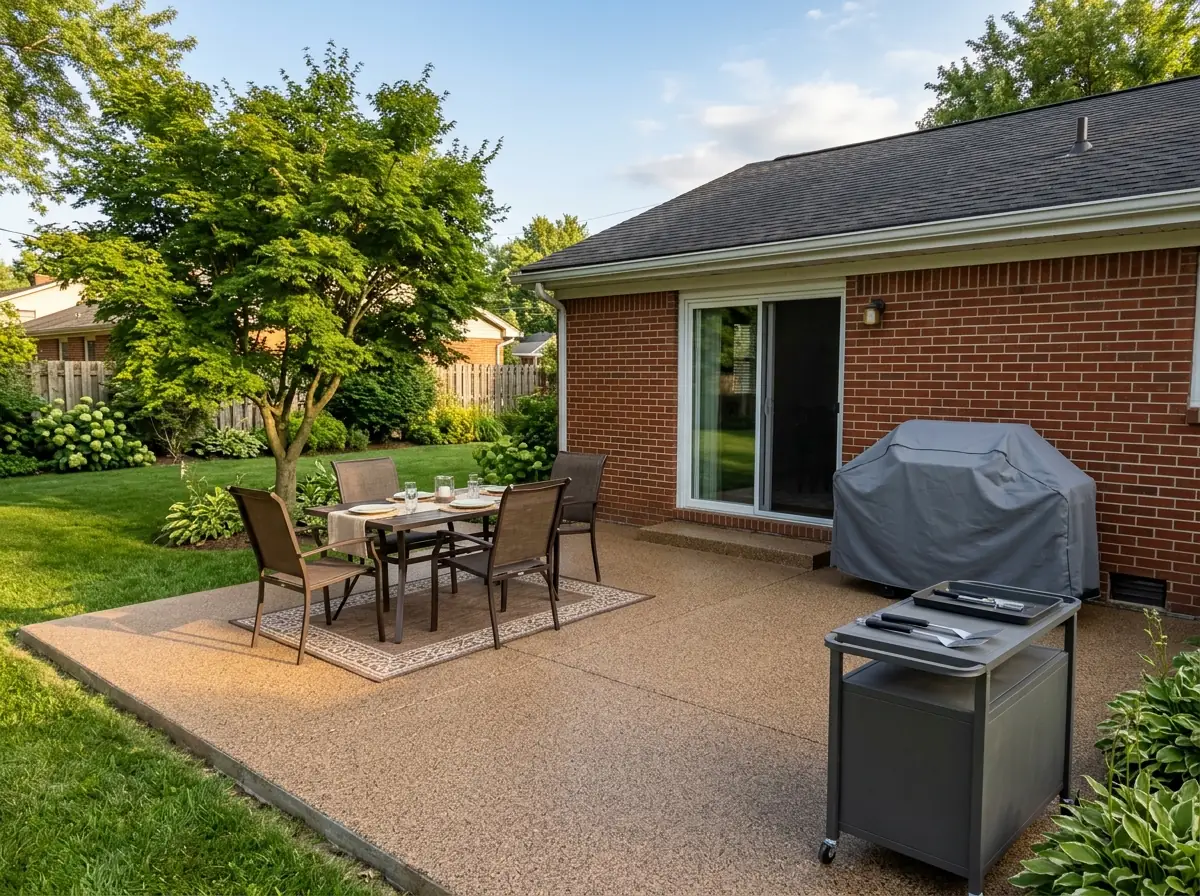
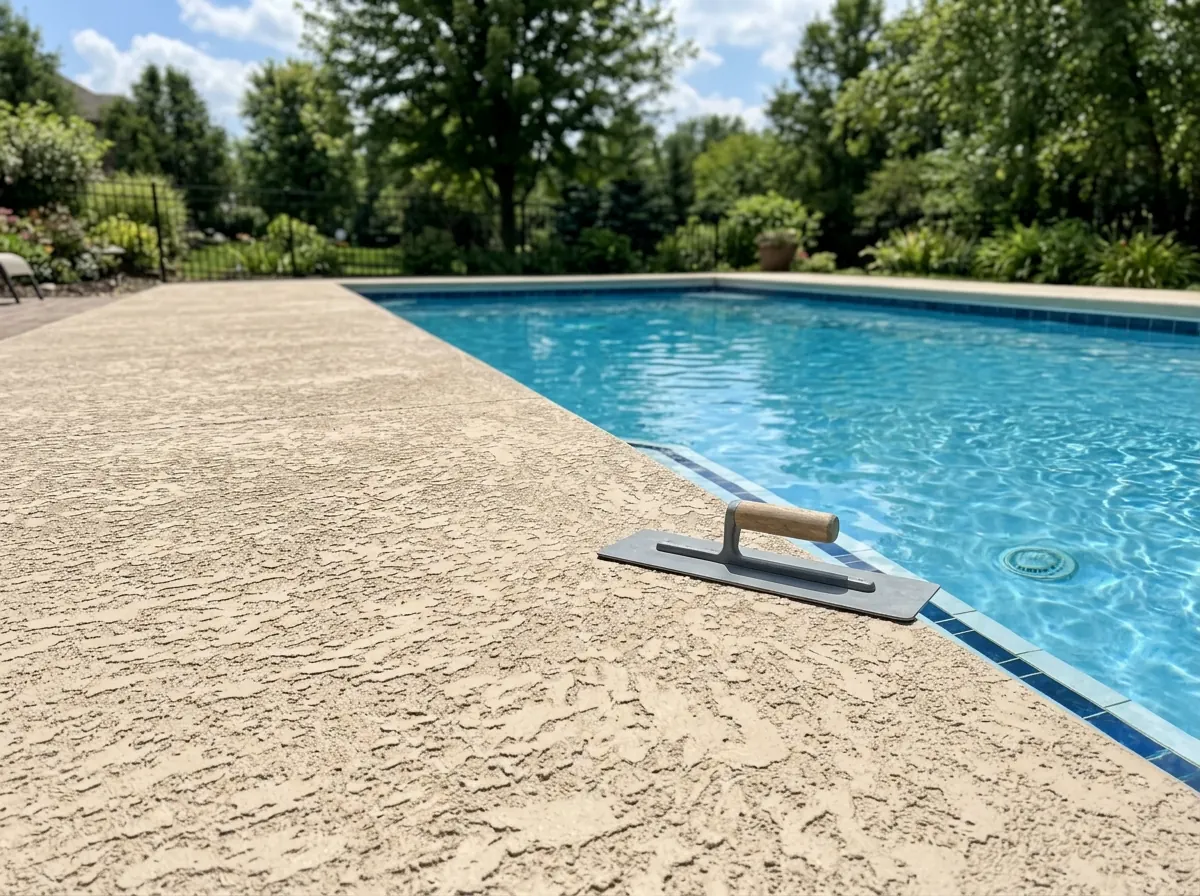
Outdoor concrete in Evansville gets about 90 nights a year at or below freezing, and 41 days at 90°F or hotter. Standard epoxy isn't the right top layer outside: it ambers in UV and can crack with the slab's movement. Exterior coatings use UV-stable polyaspartic or polyurea topcoats with a textured, slip-resistant finish so a wet pool deck isn't an ice rink. Spalled or pitted patio concrete is usually repaired before coating, and freeze-thaw spalling repairs run about $500 to $2,000.
Patios, porches, walkways and driveways are on Concrete Patio Coating in Evansville; the deck around the water has its own page, Pool Deck Coating in Evansville.
Garage Floor Resurfacing and Old Coating Removal
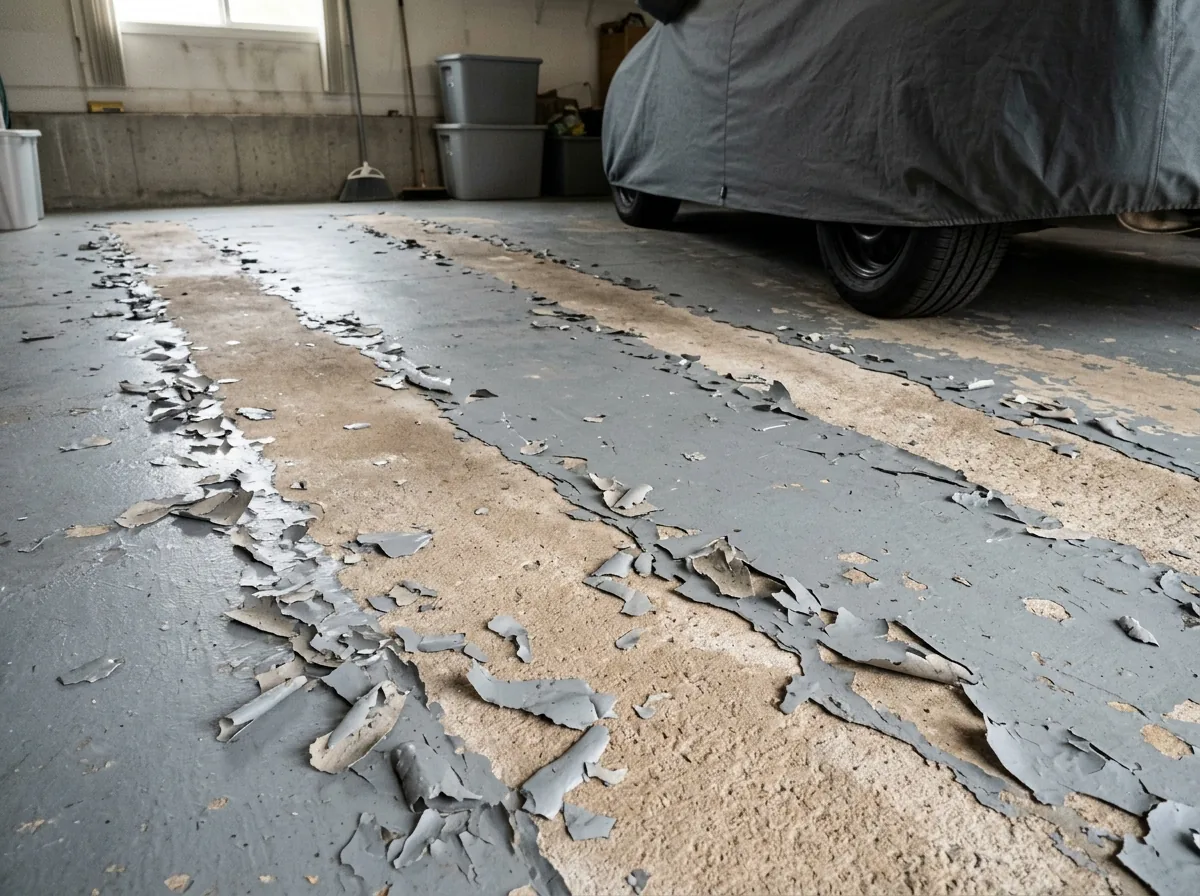
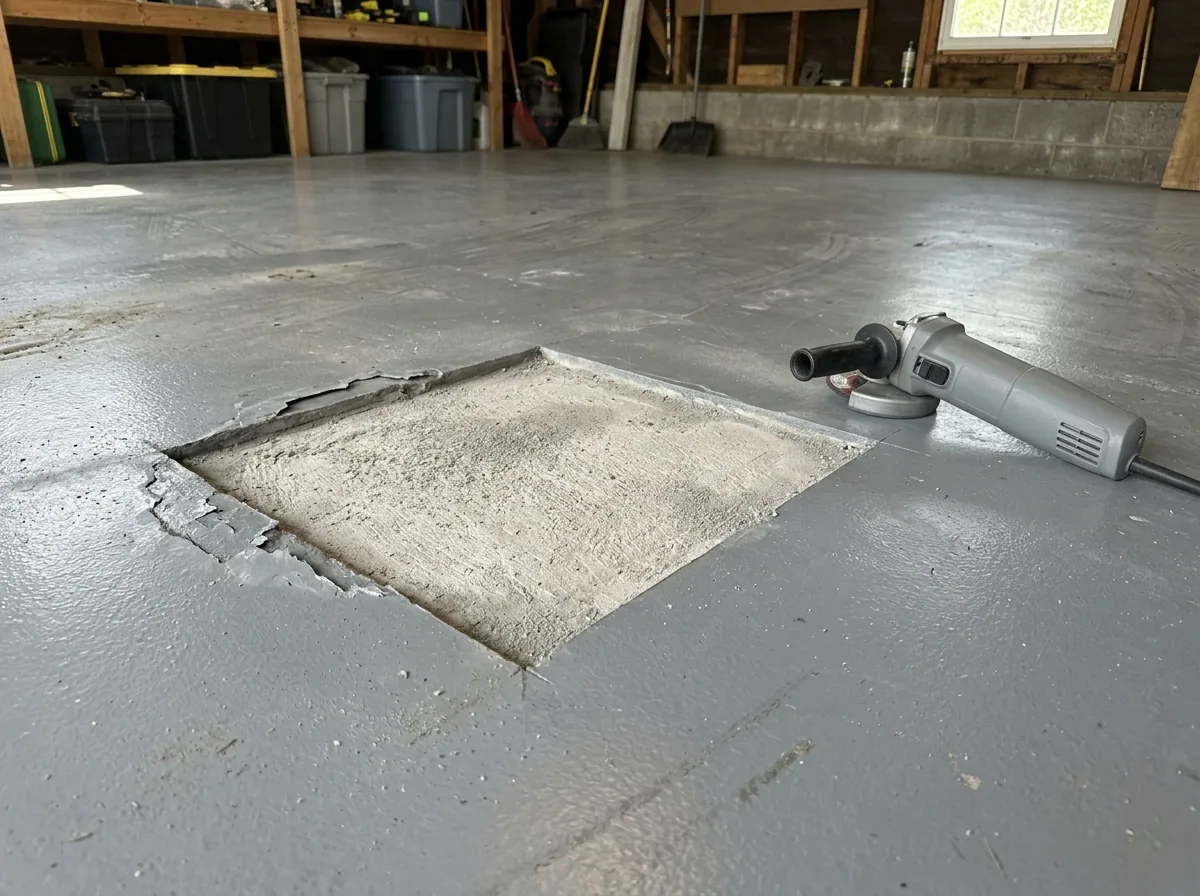
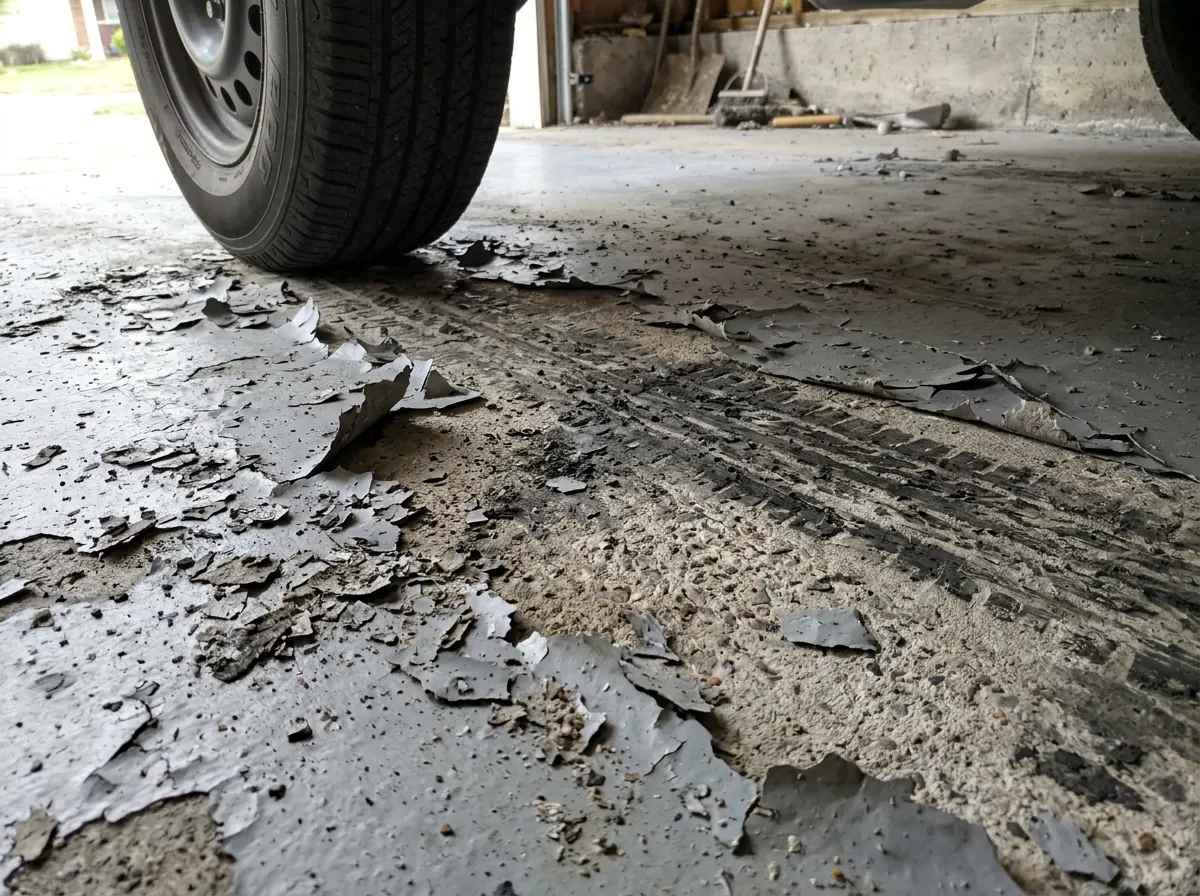
If your garage has a peeling DIY coat, you're in good company. A common cause is hot-tire pickup: tires warmed by driving soften a thin coating, plasticizers move from the rubber into it, and the coat lifts off with the tire. Thin store-bought paints and kits over etched concrete are the most likely to do it. The fix is to grind the old coating off completely and start again. Removal by grinding or blasting adds about $2 to $5 a square foot; full concrete resurfacing runs $4 to $10.
Concrete Grinding and Crack Repair
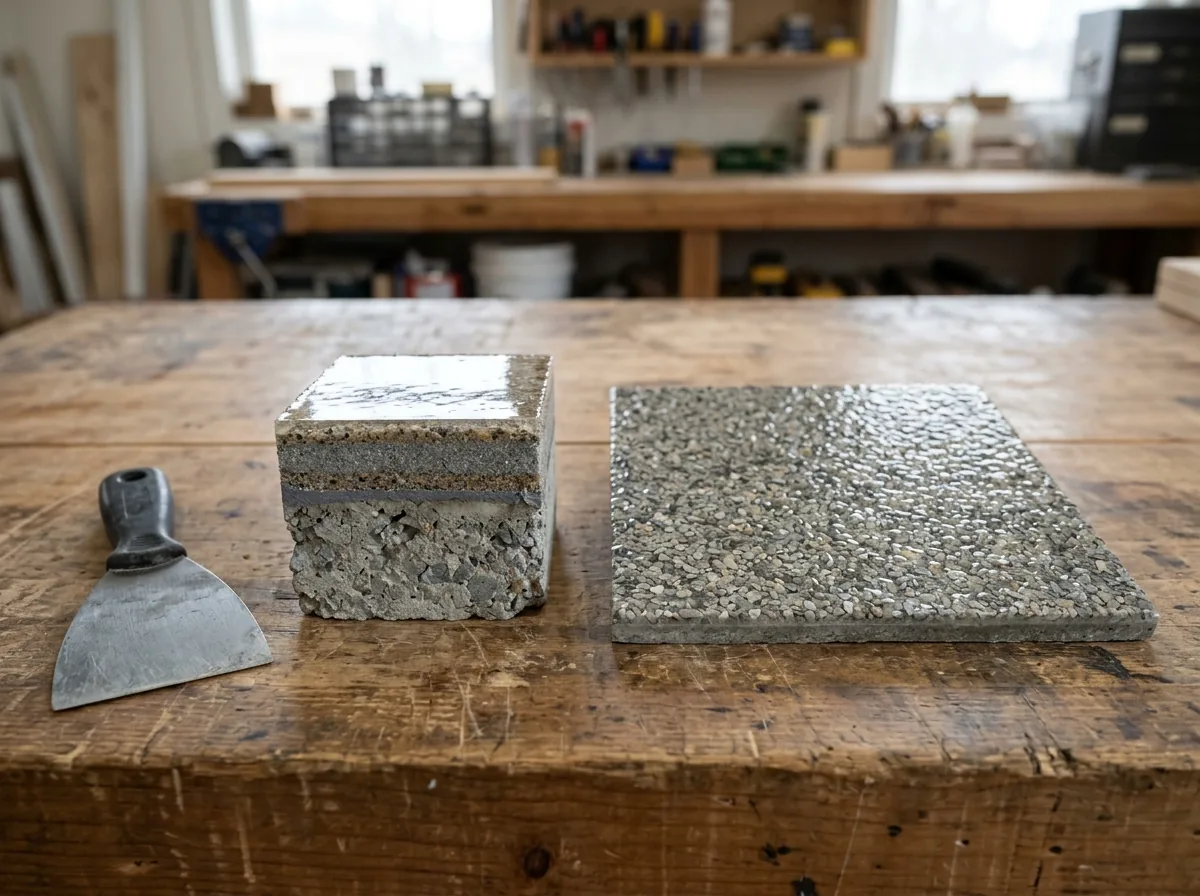
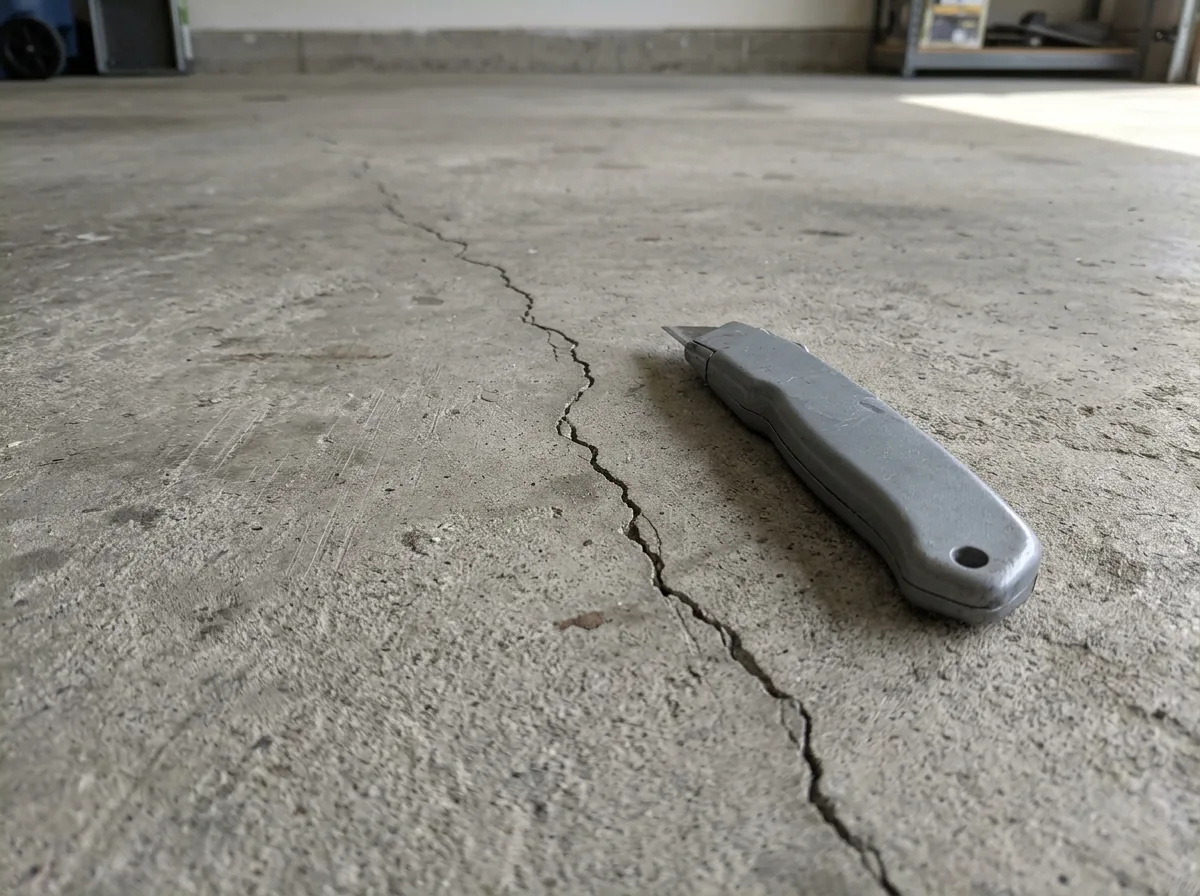
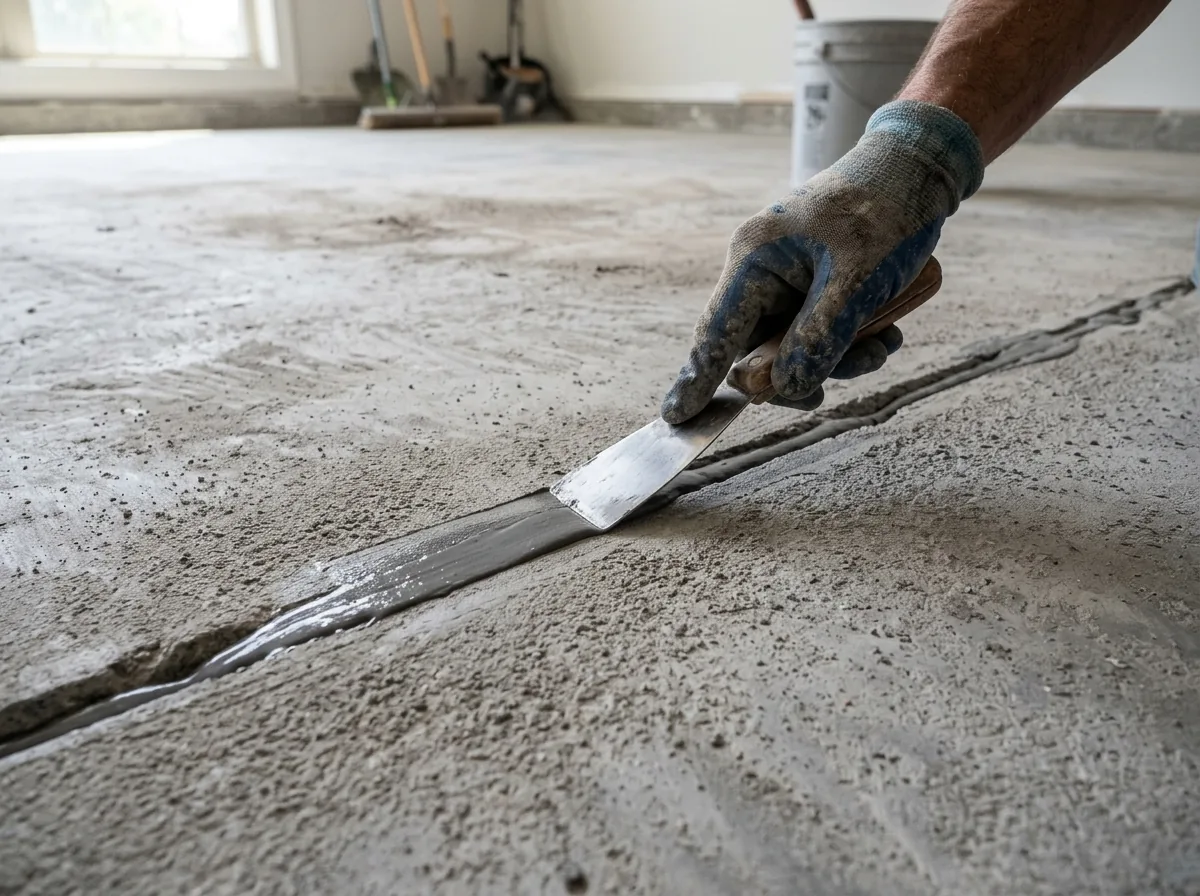
The concrete industry grades prepared surfaces by profile, from CSP 1 (nearly smooth) to CSP 10 (very rough), under ICRI guideline 310.2R. Professional epoxy specs commonly call for CSP 3 or rougher, which one common 100% solids epoxy's data sheet says to reach by diamond grinding or shot blasting. Cracks are chased open and filled, spalls are patched, and joints are filled or honored, all before the base coat. Simple crack patching can cost as little as $25 to $250, while broader crack and salt-damage repair on a garage floor runs a few hundred dollars and up.
Commercial Epoxy Flooring in Evansville
Commercial floors are bought on downtime, chemical resistance and slip resistance more than on looks. Plant and shop floors in heavy use usually call for 100% solids epoxy, which commonly costs $12 a square foot or more.
Warehouses and Manufacturing Floors
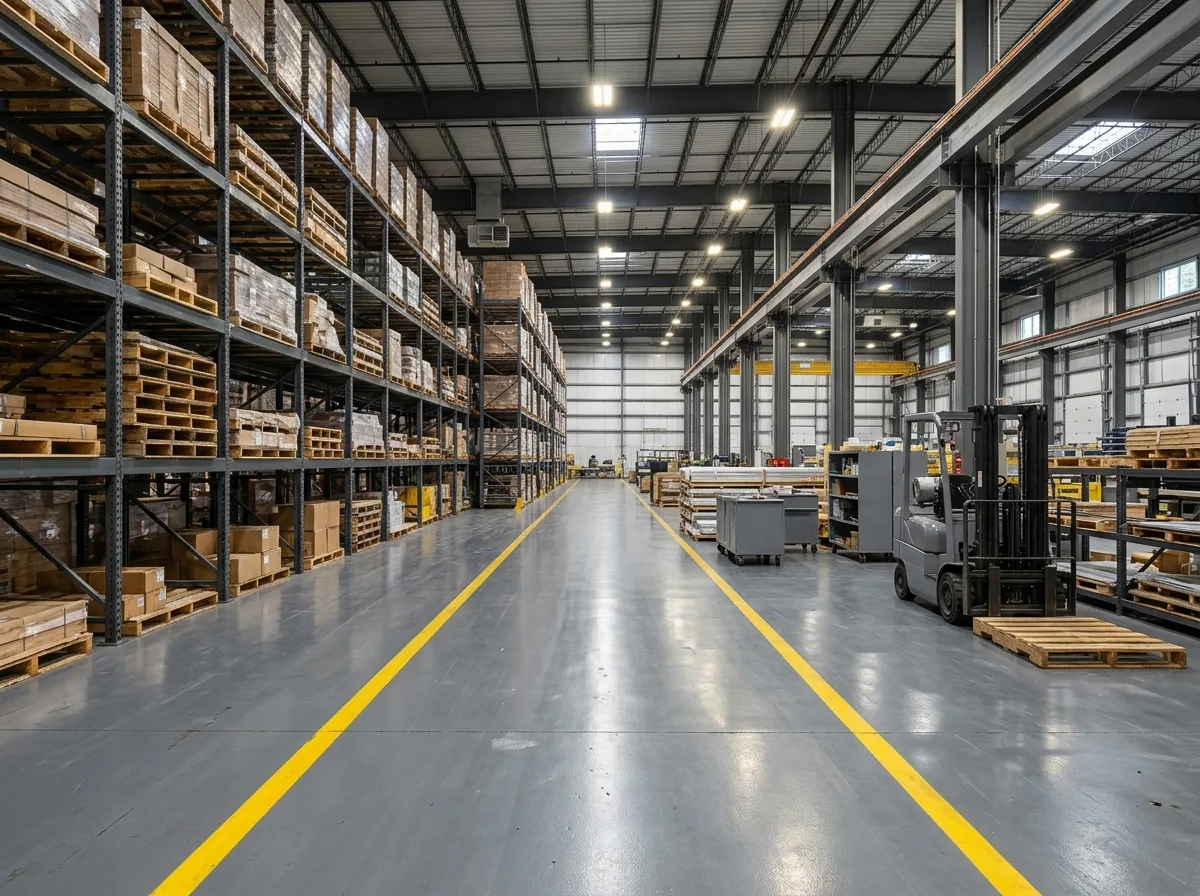
Forklift aisles, pallet drops and battery charging areas need a thick, abrasion-resistant epoxy with painted aisle and safety lines. Phased installs that coat one bay at a time keep a warehouse running while the floor is done. OSHA's walking-working surface rules require workplace floors to be kept clean and, where practical, dry, so an easy-clean coating helps.
Auto Repair Shops and Fleet Bays
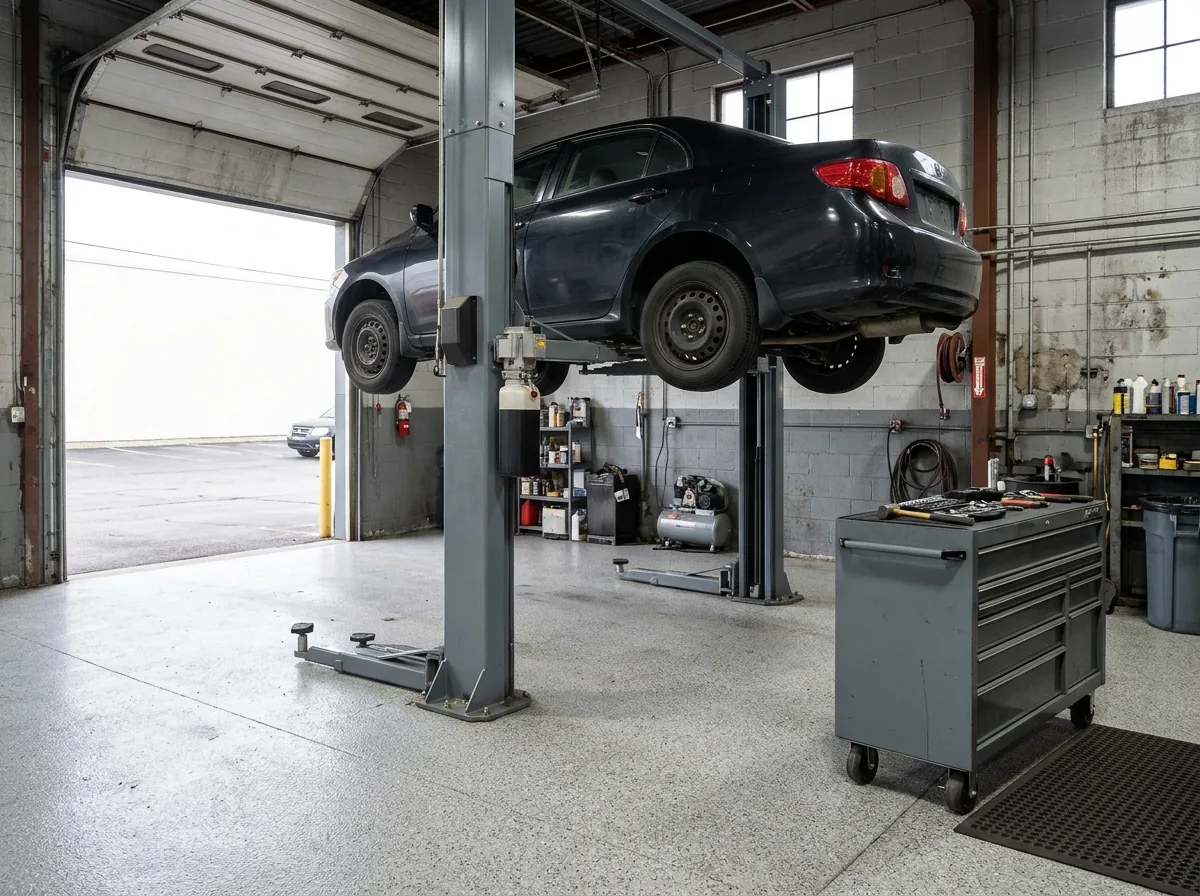
Brake fluid, hot oil, antifreeze and jacks dropping on the floor wreck bare concrete fast. Shop floors usually get a chemical-resistant epoxy or polyaspartic system with a textured topcoat, plus trench-drain edges that are sealed so fluids can't get under the coating.
Restaurants and Commercial Kitchens
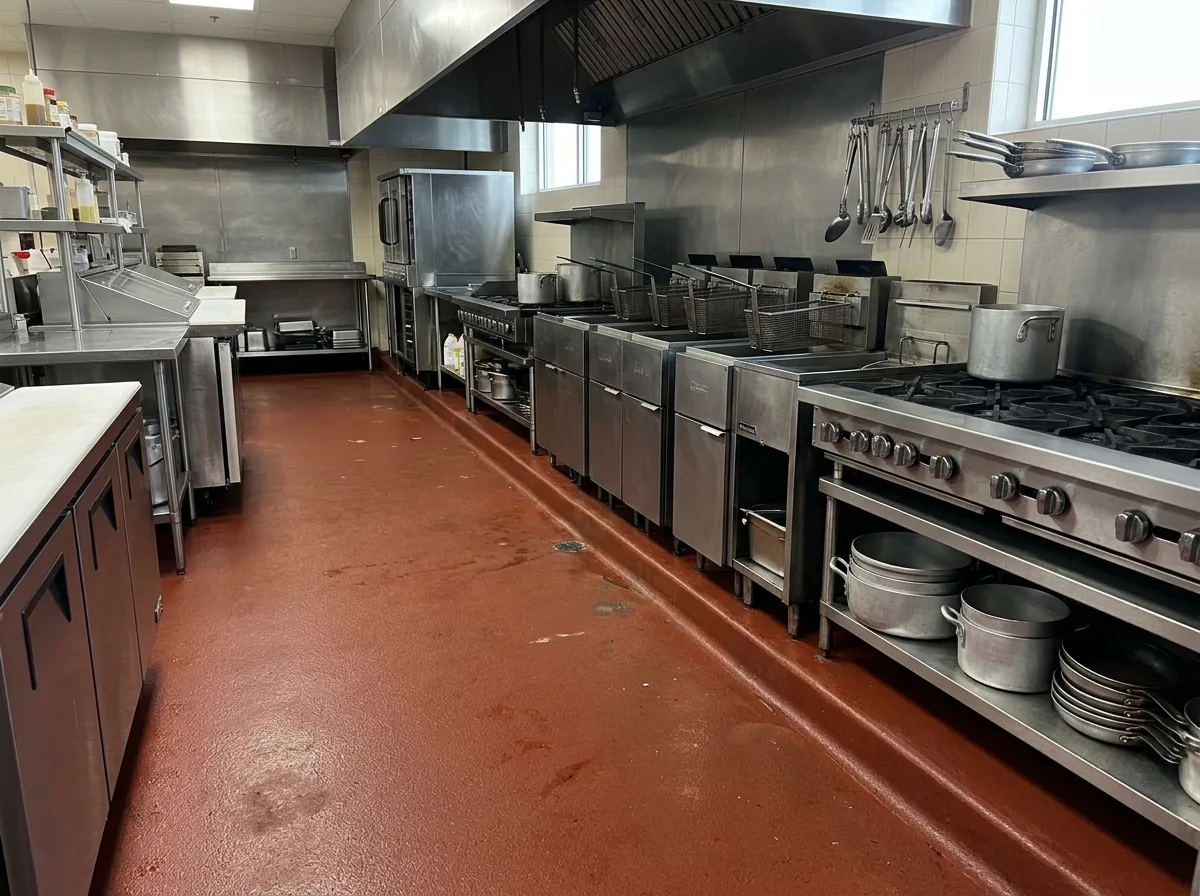
Kitchens see hot water, grease and steam cleaning every day. Urethane cement is the usual choice, at about $4 to $17 a square foot installed, often with an integral cove base so the floor-to-wall joint can be mopped clean. Food plants must have floors that can be cleaned well and kept in good repair under FDA rules, and USDA-inspected meat plants need floors impervious to moisture with drainage.
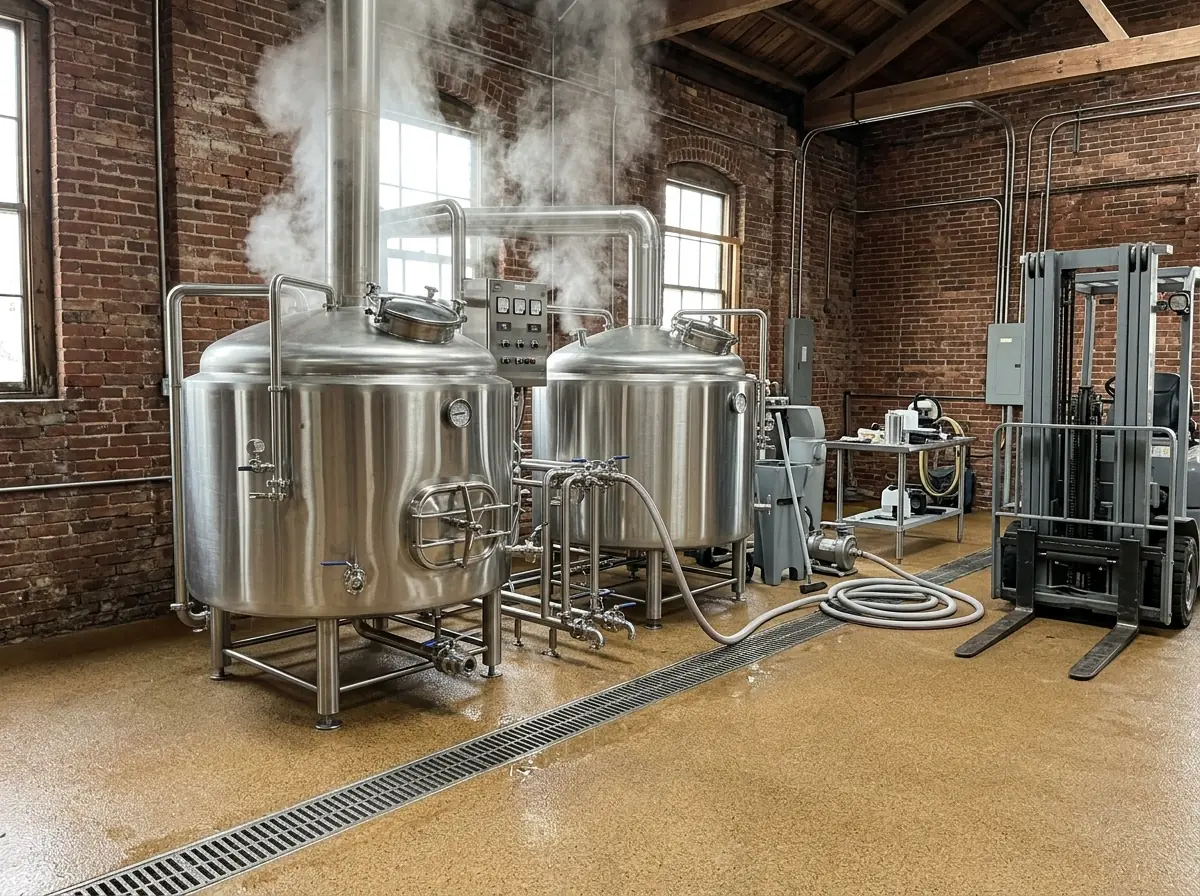
Kitchens get their own page, Commercial Kitchen Flooring in Evansville, and breweries and food plants theirs: Brewery Flooring in Evansville.
Retail Stores, Offices and Showrooms
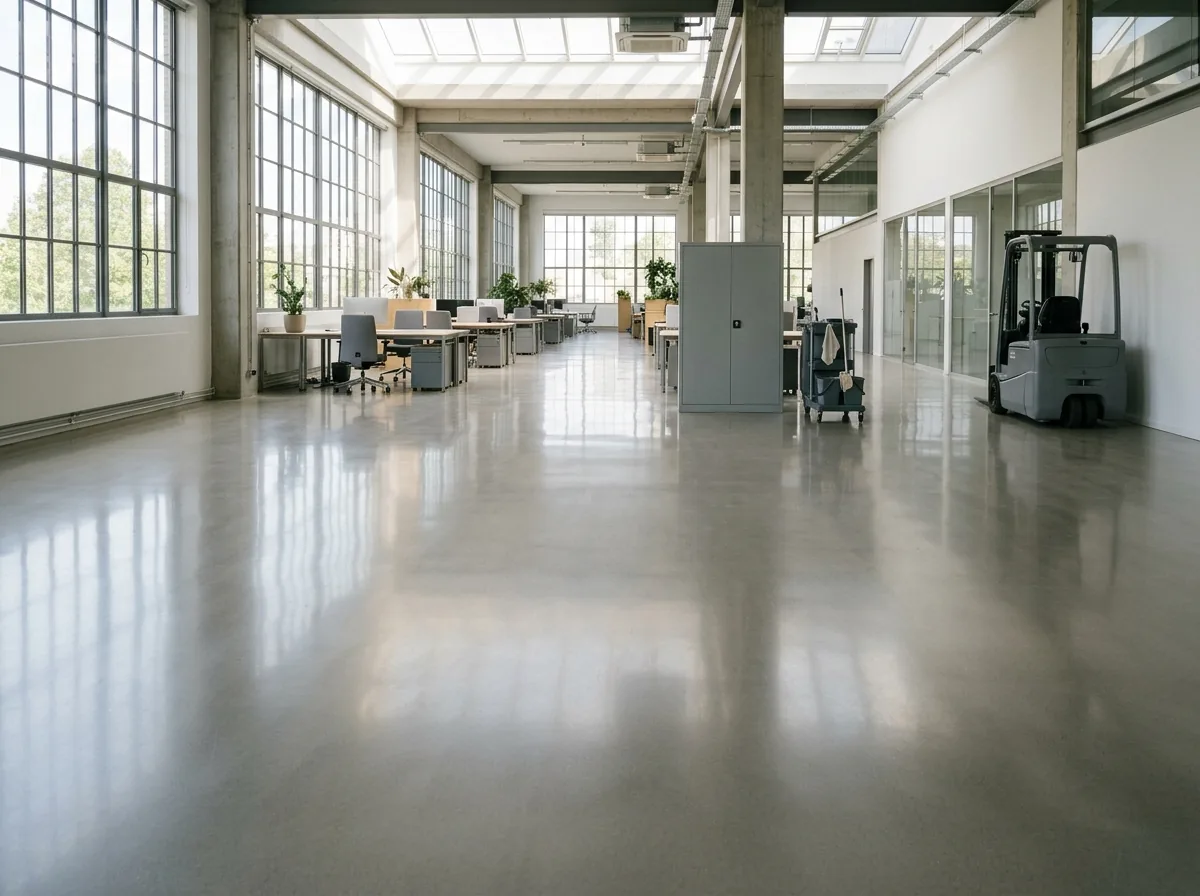
Front-of-house floors lean toward looks: polished concrete, metallic epoxy or a solid color with a satin topcoat. Polished concrete runs about $3 to $12 a square foot for a basic polish and more for decorative work. It suits slabs in good condition where a coating would just add another layer to maintain.
See Commercial Epoxy Flooring in Evansville for stores, offices, clinics, churches and showrooms.
Gyms, Vet Clinics and Kennels
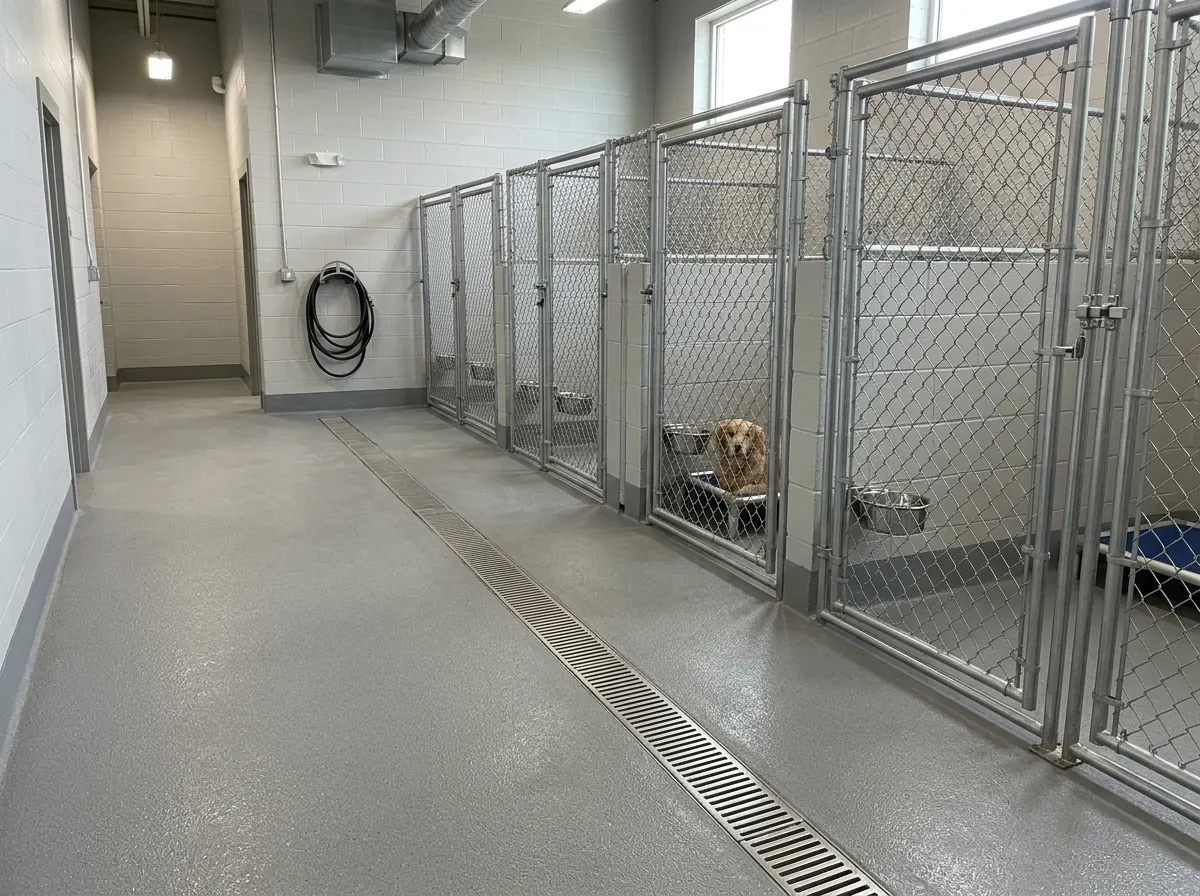
Floors that get hosed down or disinfected daily need a seamless coating with a textured finish and a cove base. Texture from a quartz broadcast or an anti-slip additive in the topcoat adds grip where the floor stays wet.
For runs, exam rooms and grooming areas, see Kennel Floor Coating in Evansville.
Specialty Concrete Floor Services
Polished Concrete
Grinding and honing the slab itself to a sheen, with a densifier and guard, instead of adding a coating. Good for retail, offices and large open slabs. See Polished Concrete in Evansville.
Anti-Slip Floor Coatings
Grit added to the topcoat to raise traction. For hard-surface floors, the ANSI A326.3 standard sets a wet dynamic coefficient of friction of 0.42 or higher for interior wet areas.
Integral Cove Base
The coating is run a few inches up the wall on a curved fillet so there is no seam at the floor line for water or dirt to collect in.
Line Striping and Safety Marking
Painted aisles, forklift lanes, parking stalls and hazard zones, laid in the same resin family as the floor so the lines don't peel ahead of it.
Moisture Vapor Barrier Primers
A primer made for damp slabs, used when testing shows more vapor than the topcoat system allows. Common in basements and on slabs poured without a vapor barrier underneath.
Epoxy Floor Repair and Recoating
Worn traffic lanes, chips and dull topcoats can often be sanded and recoated without starting over, provided the coating is still bonded to the slab. A floor that is peeling in sheets needs removal instead.
Epoxy vs Polyaspartic vs Polyurea: Which System Fits Your Floor
Epoxy is the best value for indoor floors that stay out of the sun and can wait a few days to cure. Polyaspartic suits a garage you need back fast and any floor that gets sunlight. Polyurea and polyaspartic topcoats over an epoxy base are a common hybrid, pairing epoxy's bond and build with a tougher, UV-stable top.
| Standard epoxy (100% solids) | Polyaspartic | Polyurea systems | |
|---|---|---|---|
| Typical installed cost | $4 to $10 per sq ft | $5 to $12 per sq ft | $5 to $10 per sq ft |
| Install time | About 2 days | Often 1 day | 1 to 3 days |
| Back in service (vehicles) | 2 to 7 days | 24 to 48 hours | Up to 3 days |
| Sunlight | Yellows over time | Doesn't yellow | UV-stable topcoats |
| Slab moisture tolerance | Low; test first | Higher than epoxy | Varies by product |
| Best fit | Basements, workshops, commercial interiors | Garages, porches, patios, one-day jobs | Garages and exteriors |
Get a free epoxy flooring estimate in Evansville
- One installer per request, never a list of callers
- Ask for the coating system and cure times in writing
- Ask that the moisture test and grinding appear in the quote
- No charge to you for the referral
How Much Does Epoxy Flooring Cost in Evansville?
Most installed epoxy floors in Evansville cost $5 to $8 a square foot, including materials. That works out to about $1,200 to $2,000 for a one-car garage, $2,500 to $4,000 for a two-car garage and $3,700 to $6,000 for a three-car garage. Polyaspartic and decorative metallic floors sit above that range.
National cost guides agree with the local numbers. One puts the typical two-car garage between $1,600 and $5,800, with labor making up much of the bill. What moves your quote:
Slab condition
Crack repair runs about $150 to $1,000; spalling repairs up to $2,000.Old coatings
Grinding off paint or a failed kit adds about $2 to $5 a square foot.System and finish
Flake blends add $0.50 to $2 a square foot; metallic and multi-color effects more.Moisture
Testing is $50 to $300; a vapor-barrier primer adds material and a coat.Size
Setup and grinding are fixed costs, so a single-bay job can price higher per square foot than a big shop.Sales tax
In Indiana, a lump-sum contractor pays the 7% tax on materials and builds it into the price; a time-and-material contractor charges it to you. Ask which kind of quote you're getting.
Things to Know Before Coating a Garage Floor in Evansville
Winter salt rides in on your car
The city pre-treats streets with brine and runs salt crews through the winter, and the slush melts off onto the garage floor. A sealed coating keeps it out of the concrete's pores; bare concrete takes it in and spalls.Summer humidity matters during install
Early-July dew points in Evansville average around 66 to 67°F. Coatings need the slab at least 5°F above the dew point, so a cool slab on a muggy day can sweat under fresh resin.New concrete has to wait
A new slab should cure about 30 days before any coating goes on.Kits and pro systems are different products
Water-based epoxy is commonly rated for 3 to 5 years; solid epoxy for 10 to 20. The bigger difference is the grinding and moisture testing a kit skips.Epoxy has real downsides
It yellows in sun, gets slick when wet and takes days to cure. Flake, an anti-slip additive and a UV-stable topcoat answer most of them.Odor and ventilation
Solvent-based products release VOCs, and EPA advises extra ventilation with them. Many current floor systems are 100% solids or near-zero VOC; ask for the data sheet.Get it in writing
Indiana's Home Improvement Contracts Act requires a written contract for home jobs over $150, given to you before you sign, listing the price, the work and the approximate start and finish dates.
How an Epoxy Floor Installation Works
- STEP01
Estimate and Moisture Test
The installer measures the floor, notes cracks, old coatings and drains, and tests the slab for moisture. You get a written price that names the coating system.
- STEP02
Diamond Grinding
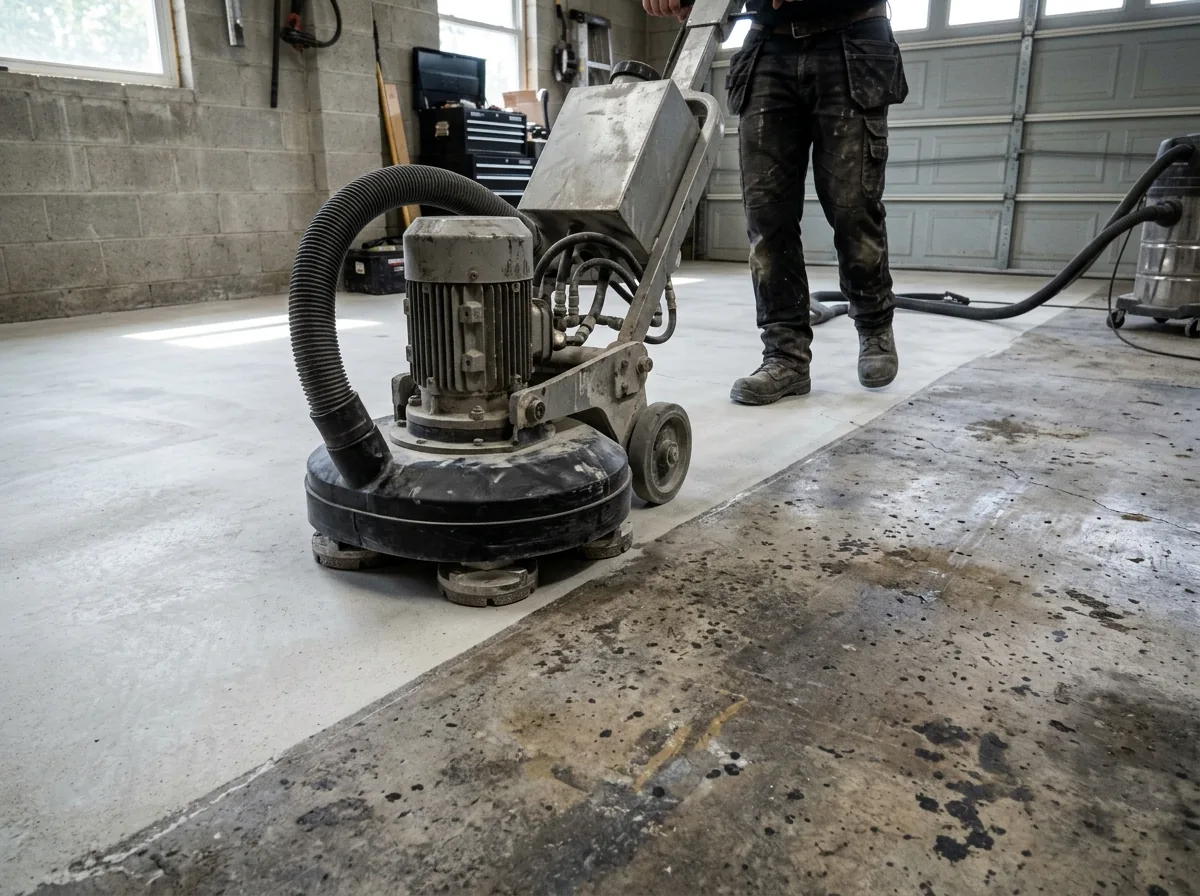
The surface is ground to a profile the coating can grip, with a vacuum on the grinder to control dust. Old paint and sealers come off here.
- STEP03
Crack, Joint and Spall Repair
Cracks are chased and filled, pits patched and joints filled, then ground flush.
- STEP04
Base Coat
A pigmented base, or a moisture-vapor primer where testing called for one, is rolled over the whole floor.
- STEP05
Broadcast or Decorative Layer
Flake or quartz is thrown into the wet base, or the metallic layer is worked by hand.
- STEP06
Clear Topcoat
Excess flake is scraped off and a clear topcoat, often polyaspartic, seals the floor. Anti-slip grit goes in this coat.
- STEP07
Cure and Return to Service
You can usually walk on it within a day. Cars come back after 24 hours to a week, depending on the system and the temperature.
Epoxy Flooring Across Evansville
Evansville Epoxy takes requests from homes and businesses in Evansville and the rest of Vanderburgh County, from house garages and basements to shop and warehouse floors. Each request goes to one independent installer who works locally.