
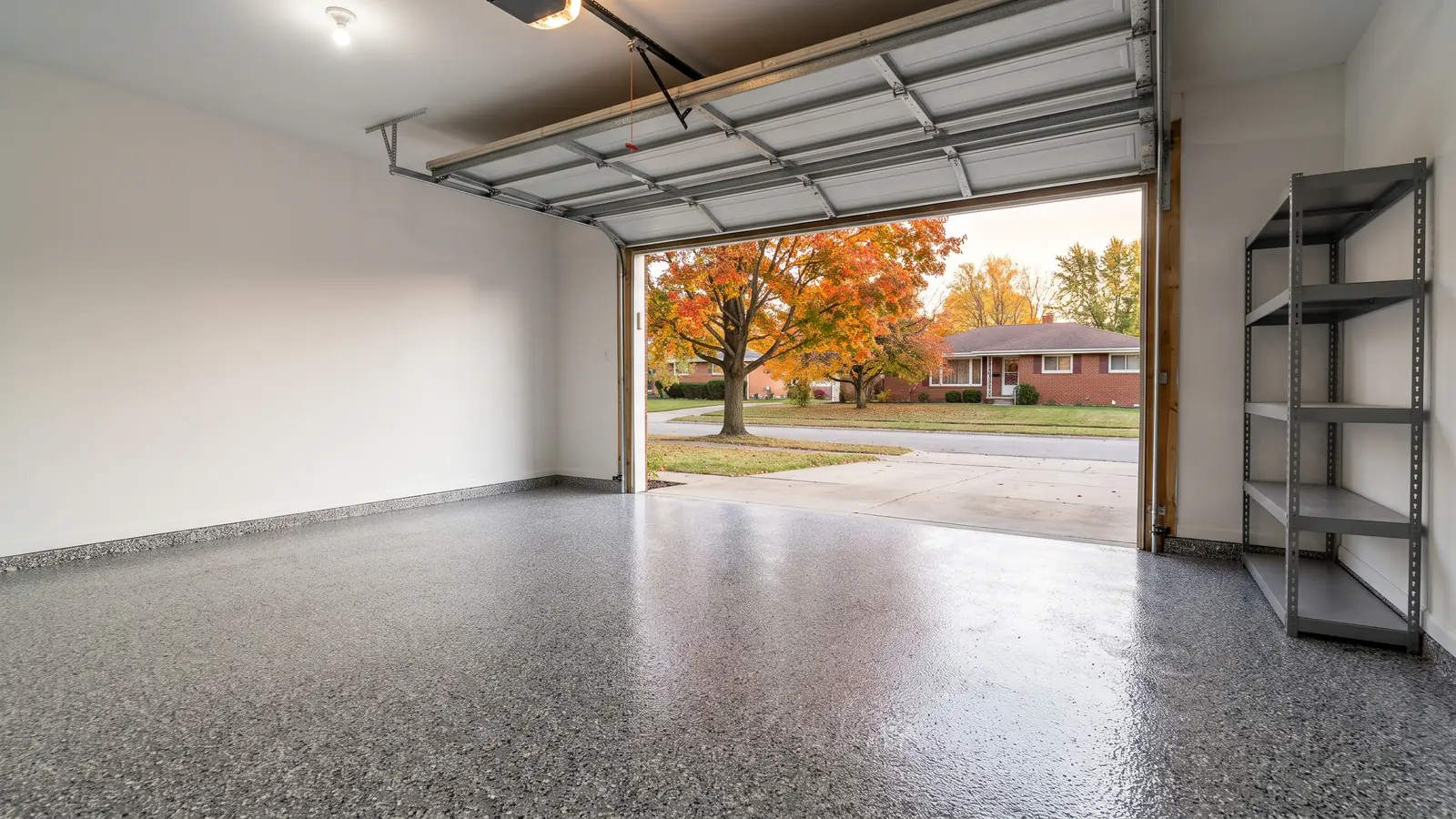
Concrete Crack and Floor Prep Types
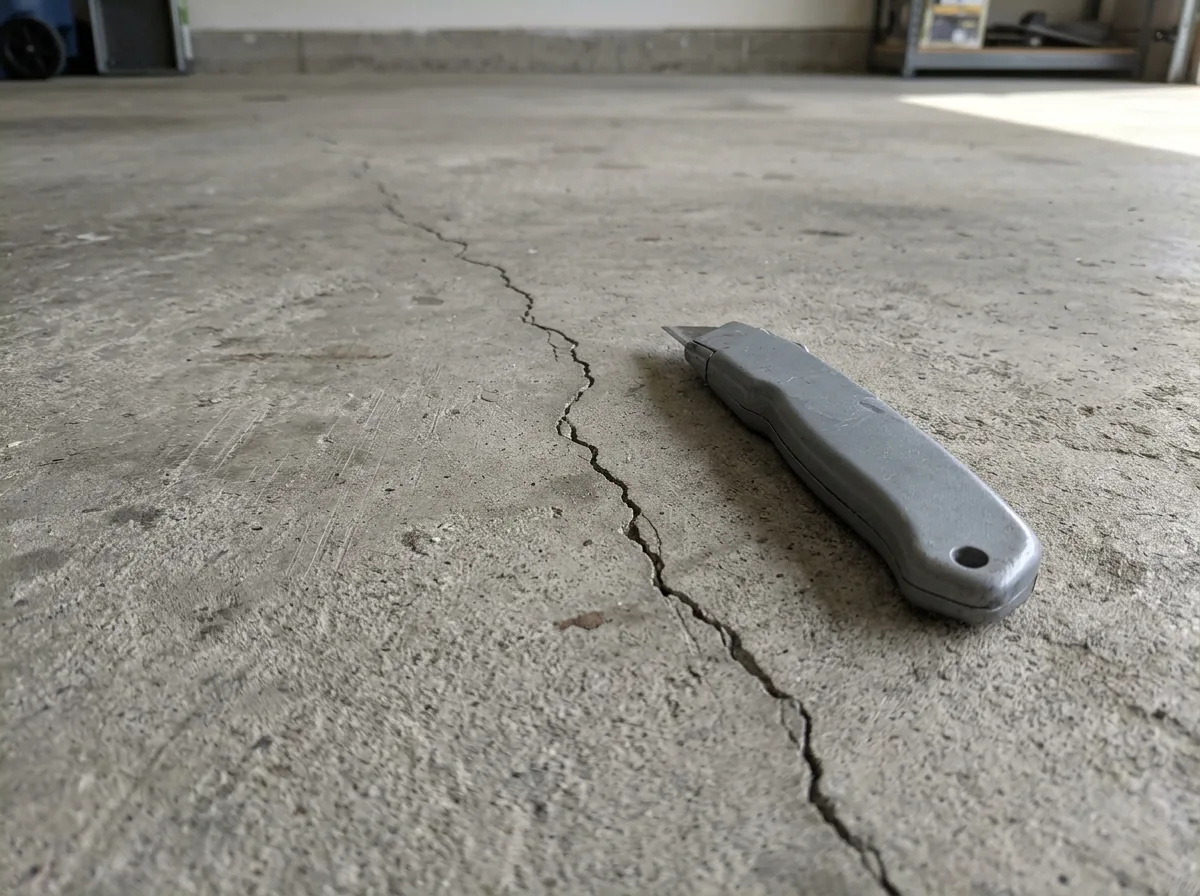
Hairline Shrinkage Cracks
Concrete shrinks as it dries, and almost every slab gets a few thin random cracks from it. The concrete industry's own guidance is that early random cracks are unsightly but rarely affect the slab's strength or service life. Before a coating goes on, they're opened up and filled so they don't show through. One system spec calls for cutting cracks open with a diamond blade to at least 1/4 by 1/4 inch, filling them with an epoxy patch, and grinding the patch flush once it's hard.
- Crack filling: about $0.50 to $3 per linear foot
- Small-crack patching on a porch or step: about $300 to $800 per job
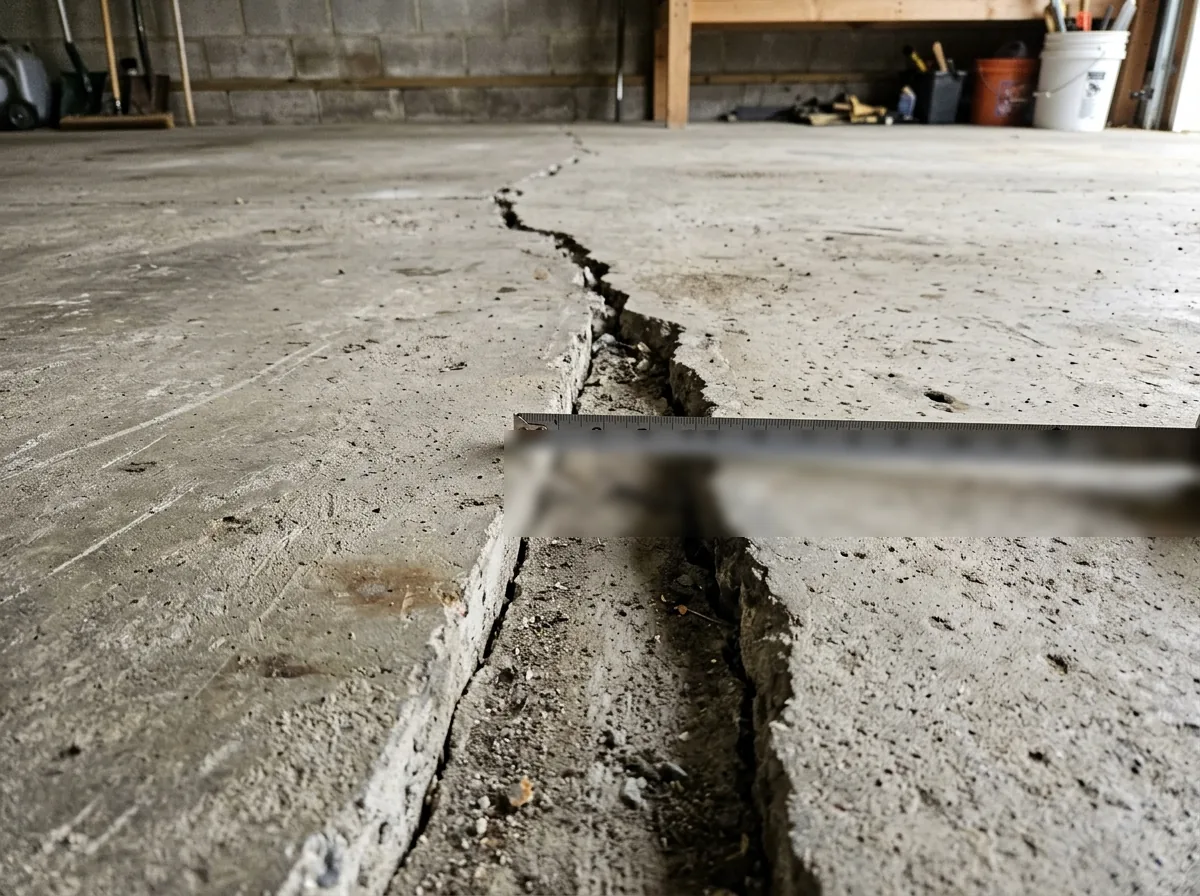
Moving and Structural Cracks
A crack that keeps widening, has one side lower than the other, or comes with a sinking or heaving section is a different problem. Settlement under the slab is one cause on the industry's list. One cost guide treats cracks wider than about 1/4 inch as a sign of possible structural trouble. A rigid epoxy fill over a crack that's still moving will crack again, and so will the coating on top of it. Ask the installer to say which cracks they consider active. Some can be filled and watched; others need a foundation or slab-leveling contractor before any coating.
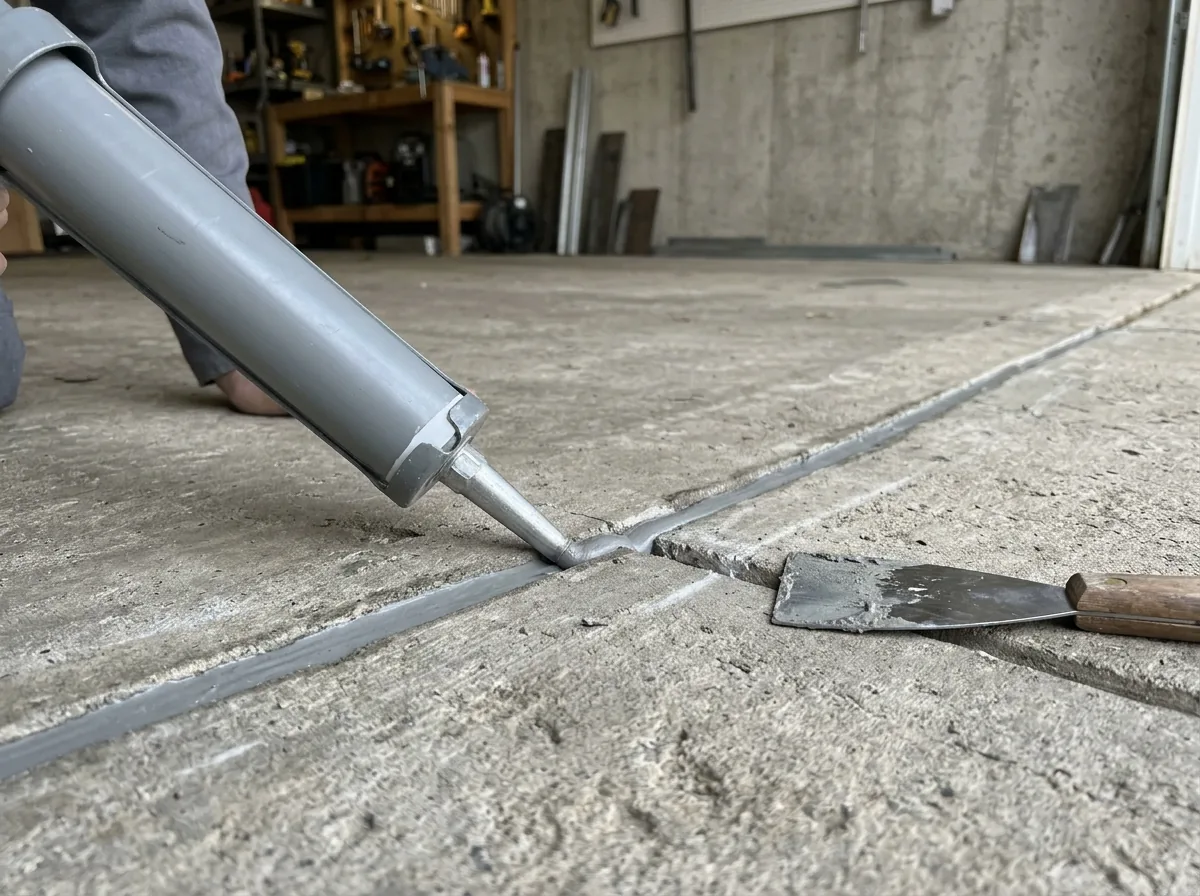
Control and Expansion Joints
Joints are planned cracks. Contraction (control) joints are cut or tooled in so the slab cracks along them and not at random; recommended spacing is 24 to 36 times the slab's thickness, which works out to about 10 feet on a 4-inch slab. Isolation (expansion) joints separate the slab from walls, columns, sidewalks and driveways so each can move on its own. For a coating, the two are handled differently. Control joints in a garage or shop can be filled flush with a semi-rigid polyurea or epoxy filler, which also protects the joint edges from chipping under wheels. Isolation joints have to stay flexible. Ask which joints the installer will fill and coat over and which will stay open or get a flexible sealant.
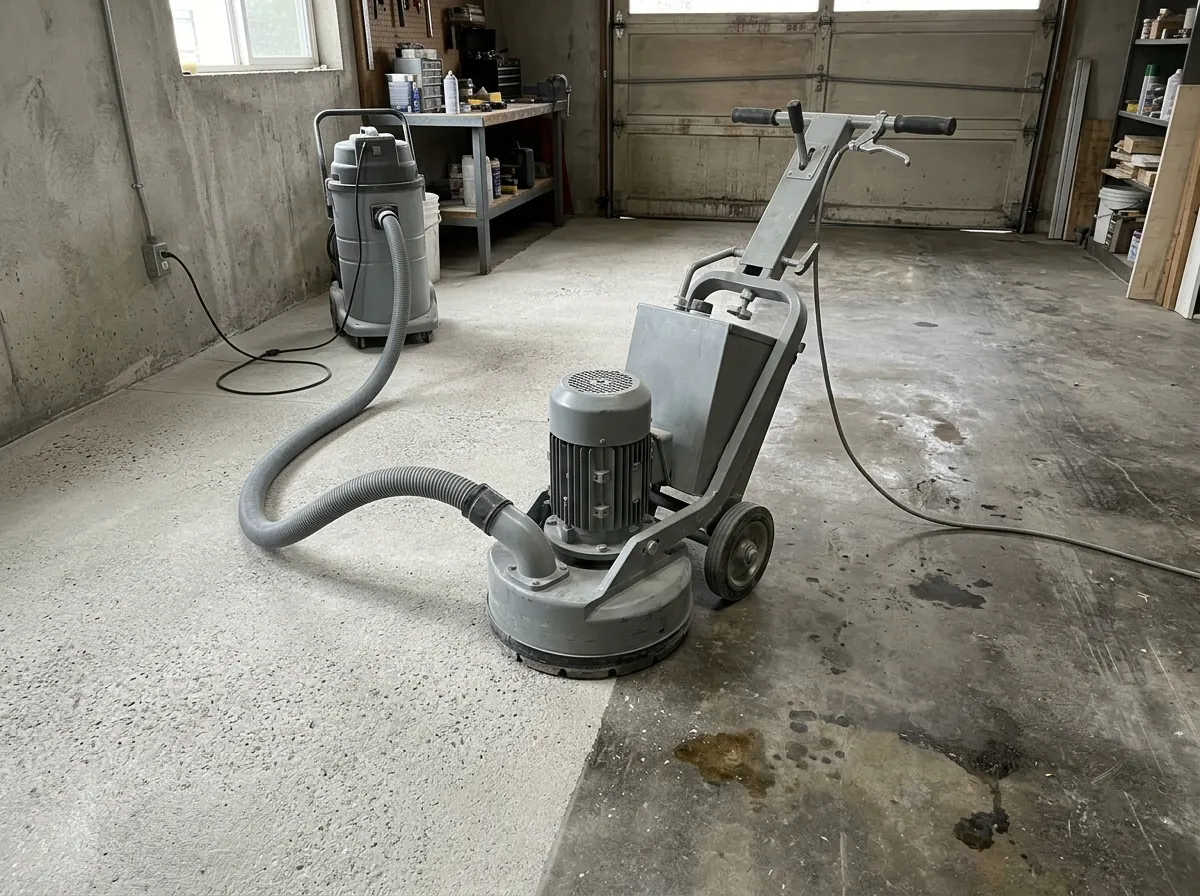
Diamond Grinding to Profile
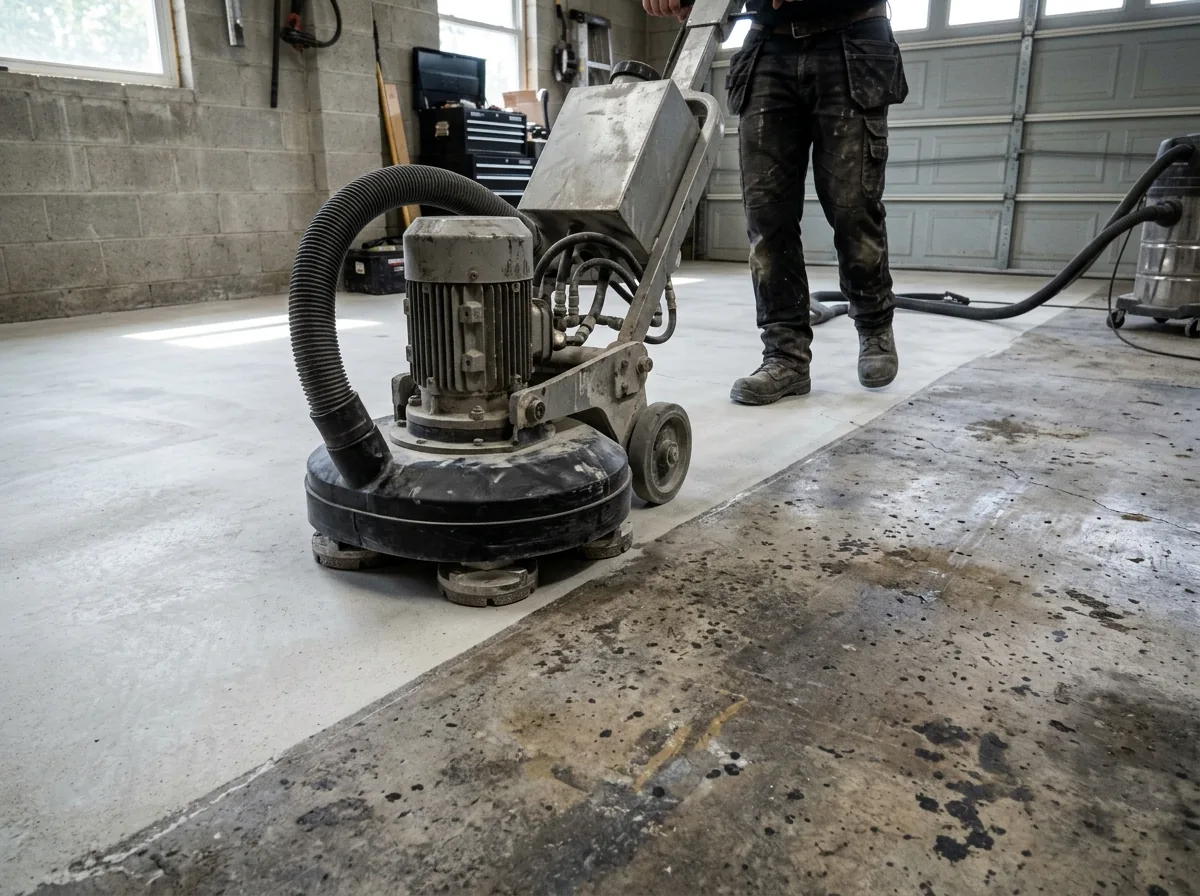
Resin coatings need a slab with some tooth. The International Concrete Repair Institute grades prepared concrete from CSP 1, nearly smooth, to CSP 10, very rough, and coating data sheets name the profile they need. One common 100% solids epoxy calls for CSP 3 or rougher, and a quartz system asks for CSP 3 to 4. Diamond-tooled grinders reach CSP 1 to 3, enough for the CSP 3 that both of those products ask for. Grinding also takes off sealers, paint and the weak top skin of the slab. Ask which CSP the coating's data sheet calls for and how the crew will check they've reached it.
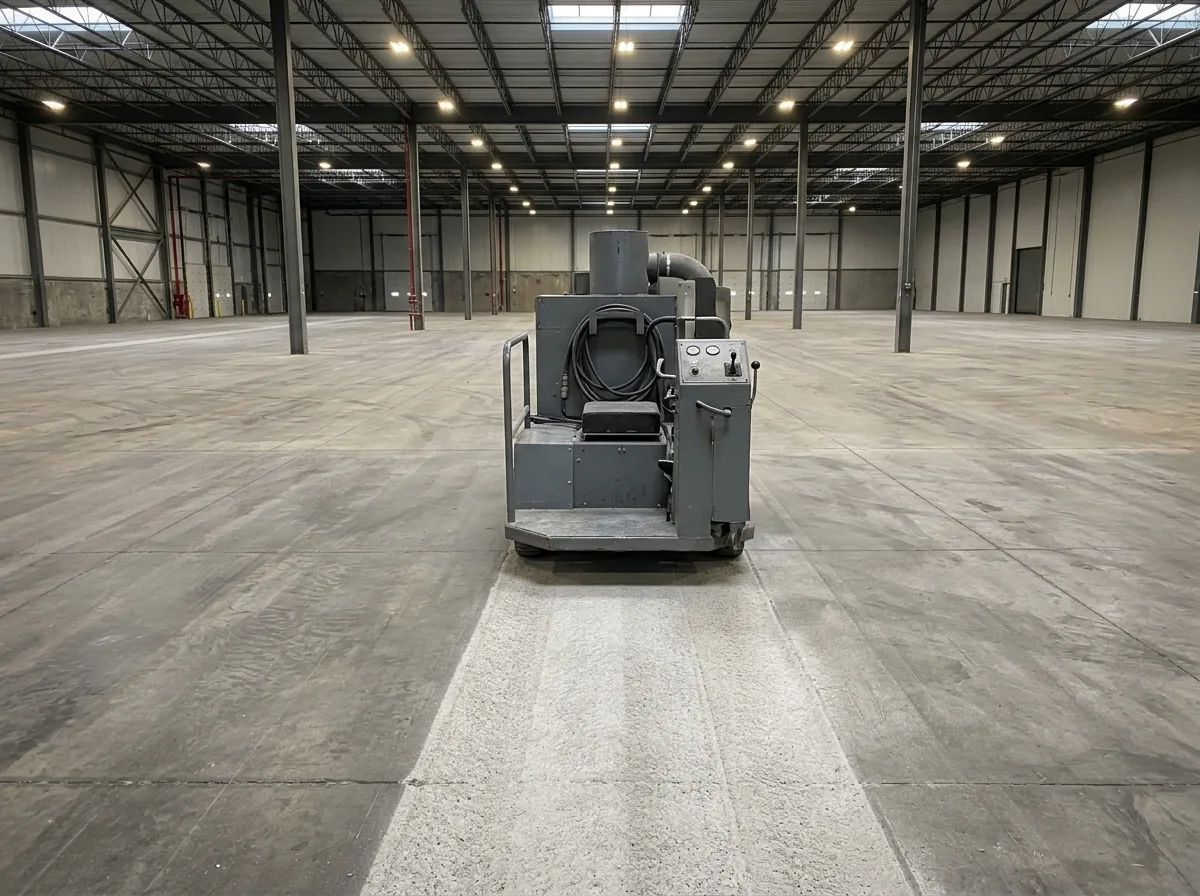
Shot Blasting Large Slabs
A shot blaster throws steel shot at the floor and vacuums it back up, roughening the surface in a contained, dust-free pass. ICRI's guideline says shotblasting can produce anything from CSP 2 to CSP 9, and the guideline names it as a fit for a new high-build coating. On large slabs such as warehouses, pole barns and plant floors, ask whether the crew will blast or grind, and how the edges and corners will be prepared. For big floors, see shop floor epoxy and industrial epoxy flooring.
Why Evansville homeowners and businesses call Evansville Epoxy
- One installer per request, never a list of callers
- Ask for the coating system and cure times in writing
- Ask that the moisture test and grinding appear in the quote
- No charge to you for the referral
Cracks on Outdoor Slabs
Patios, walks, driveways and pool decks crack for the same reasons as garage floors, plus freezing weather. Freeze-thaw cycles can break down some porous aggregates and cause D-cracks, which start at the joints of outdoor slabs. Before a coating goes on outdoor concrete, cracks and joints need the same treatment as inside, and the coating has to be one that handles sun and frost (concrete patio coating, pool deck coating).
Where the surface itself is worn out (scaled, pitted, or covered in a failed coating) and not just cracked, the job is garage floor resurfacing. For the coating that goes over a repaired garage floor, see epoxy garage floor coating.