
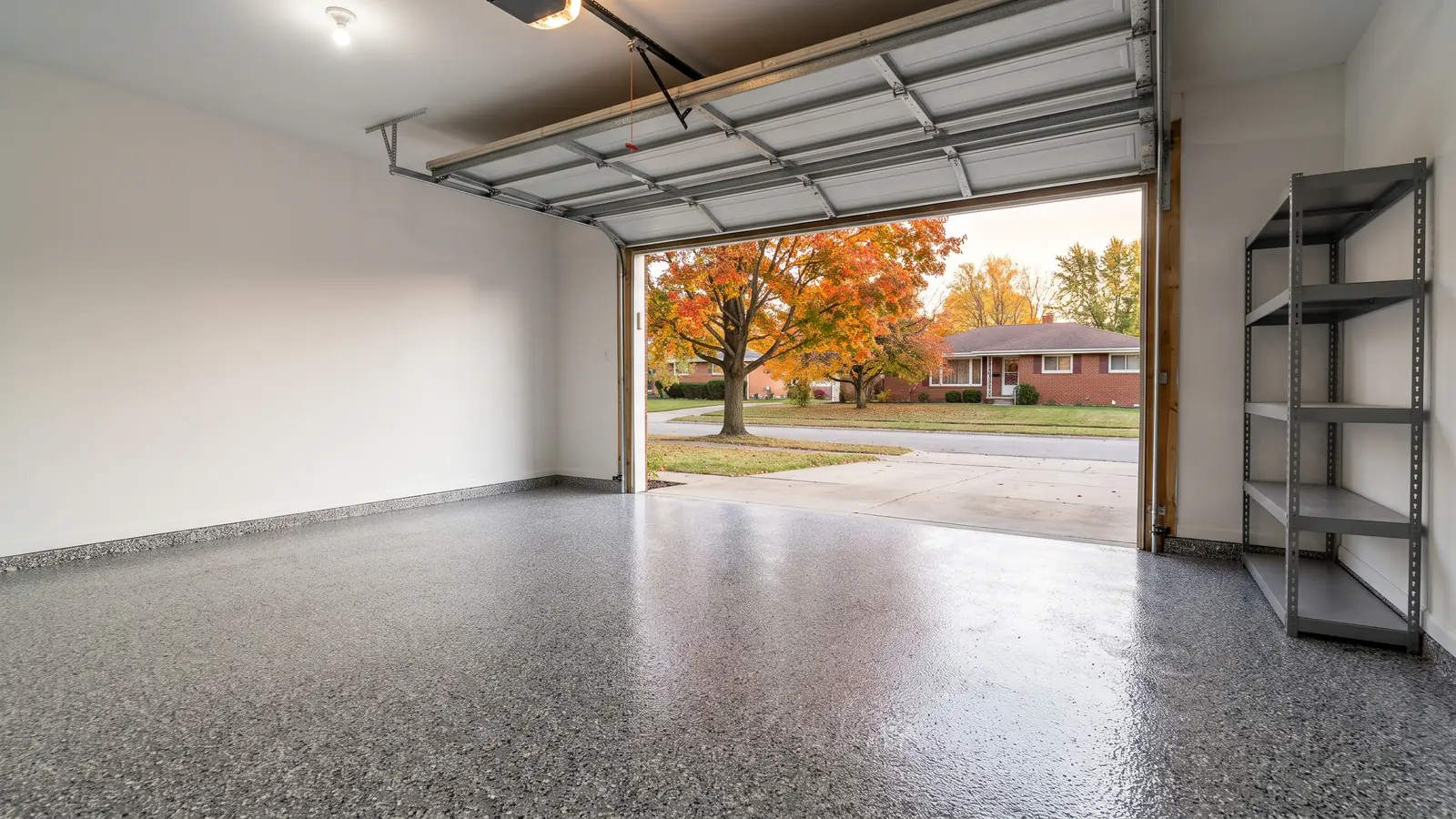
Brewery and Food Plant Floor Systems by Area
Beer, sugar, yeast, caustic cleaners, hot water and forklifts all land on a brewery floor, and the bare slab soaks up every spill. Each room gets a different mix, so a good plan goes room by room.
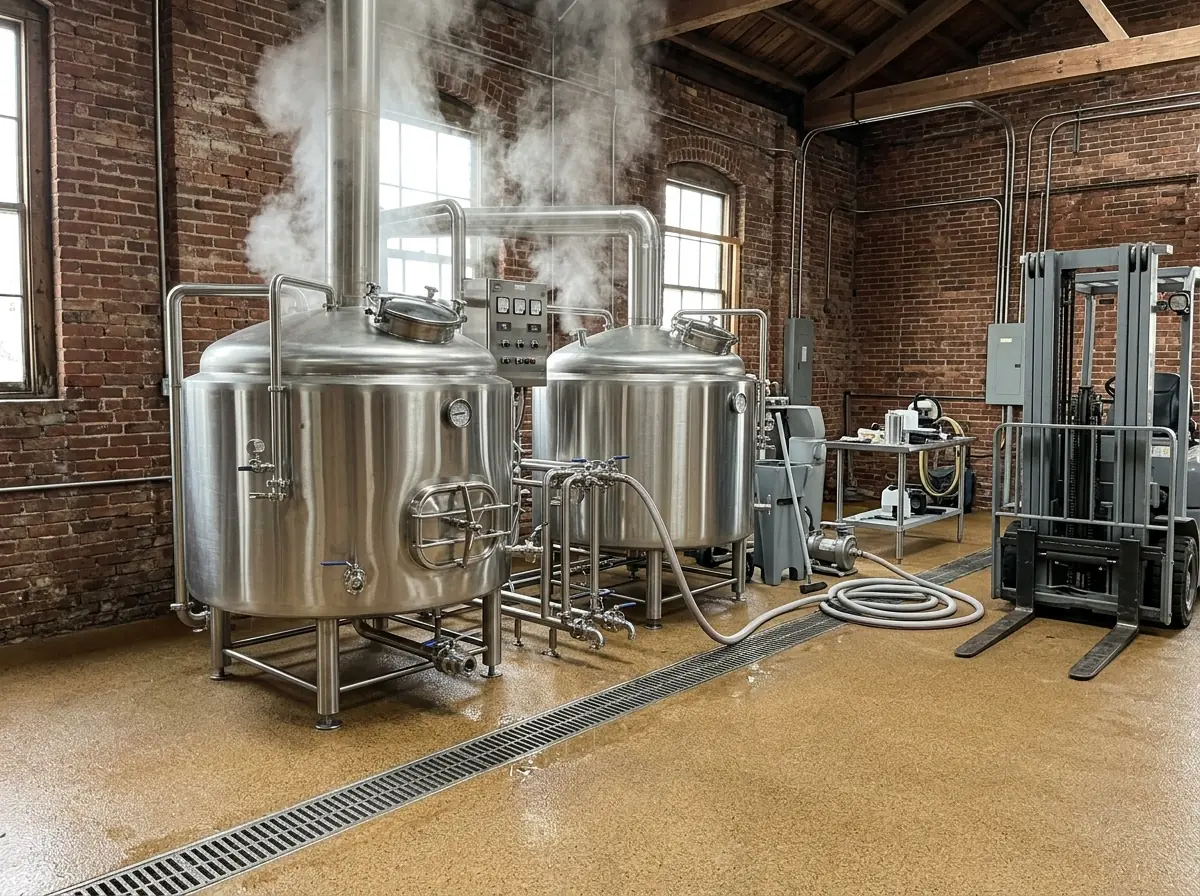
Brewhouse Hot Side
Boiling wort and hot CIP solution hitting a cold slab is the textbook case of thermal shock. That's the job urethane cement is made for; the kitchen flooring page explains how it handles hot wash-down. The cleaning chemistry matters too. In one major manufacturer's floor chart, 10% caustic soda is rated acceptable for nearly every system it sells, while at 45% most of the chart says to call the maker's technical service first. Give the installer your CIP chemicals and their temperatures, and ask for 1/4-inch thickness around the kettles.
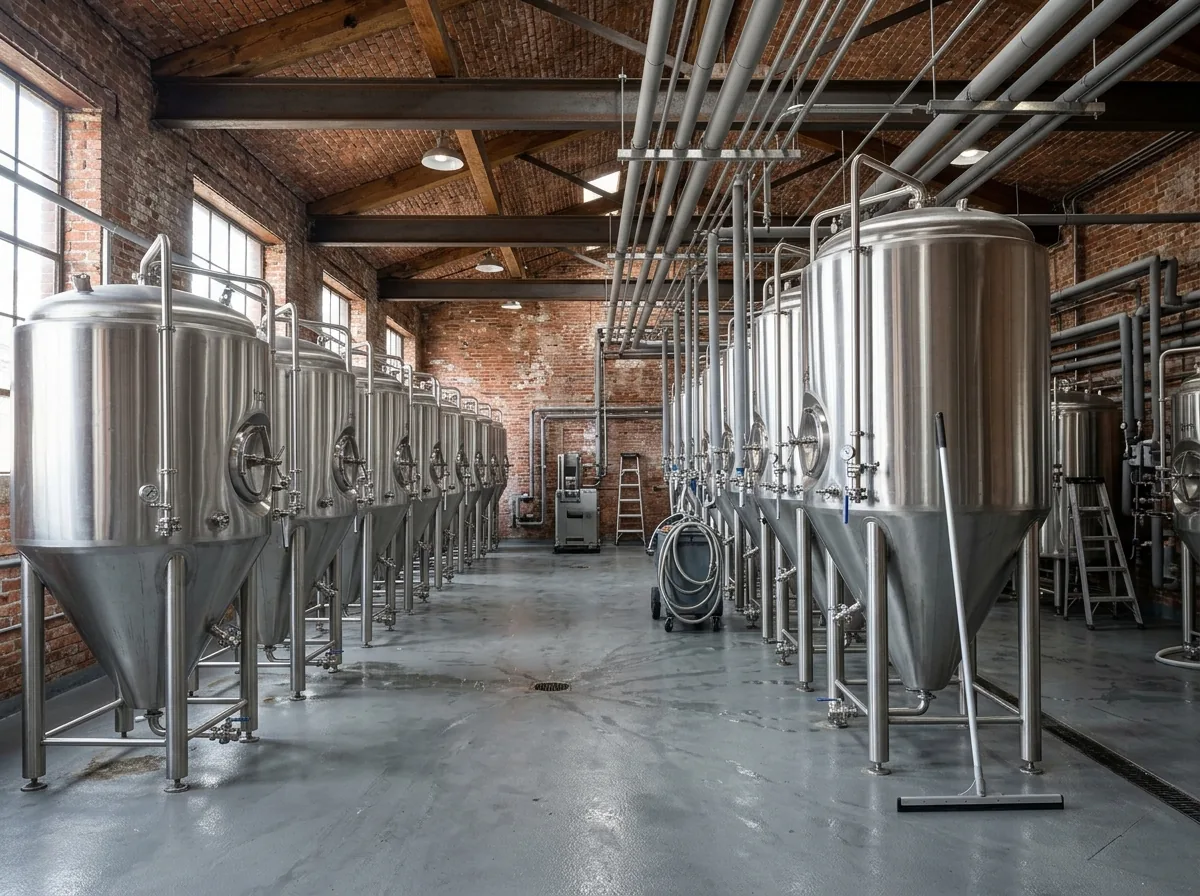
Fermentation Cellars
Cellars run cool and wet, and the spills are beer, yeast and sugars. Sour beers bring lactic acid. The same chart marks beer not recommended for one of that maker's epoxies and concentrated lactic acid not recommended for some others, which is why "chemical-resistant epoxy" on a quote isn't enough. Ask which product goes in the cellar and for its rating on beer and on the acids you use. If the cellar is kept cool, check the product's cure temperature range against the room.
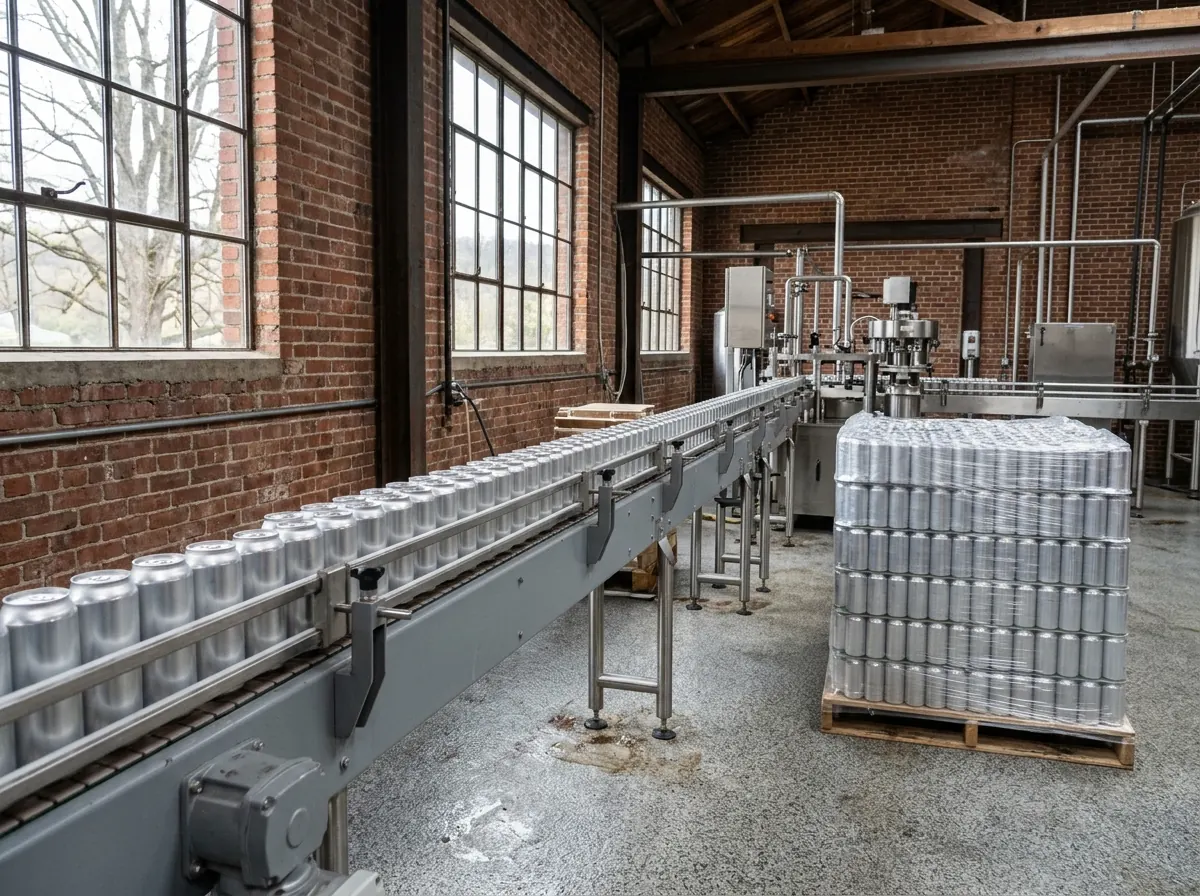
Packaging and Canning Lines
Packaging floors take pallet jacks, forklifts, dropped kegs and conveyor drip with sugar in it. Impact and abrasion matter here more than heat, so ask for a troweled mortar or a thick broadcast system rather than a thin roll coat. OSHA expects drainage to be kept up wherever wet processes run, and sticky, wet floors around fillers are slip hazards; anti-slip floor coating covers the texture choices and how slip resistance is rated.
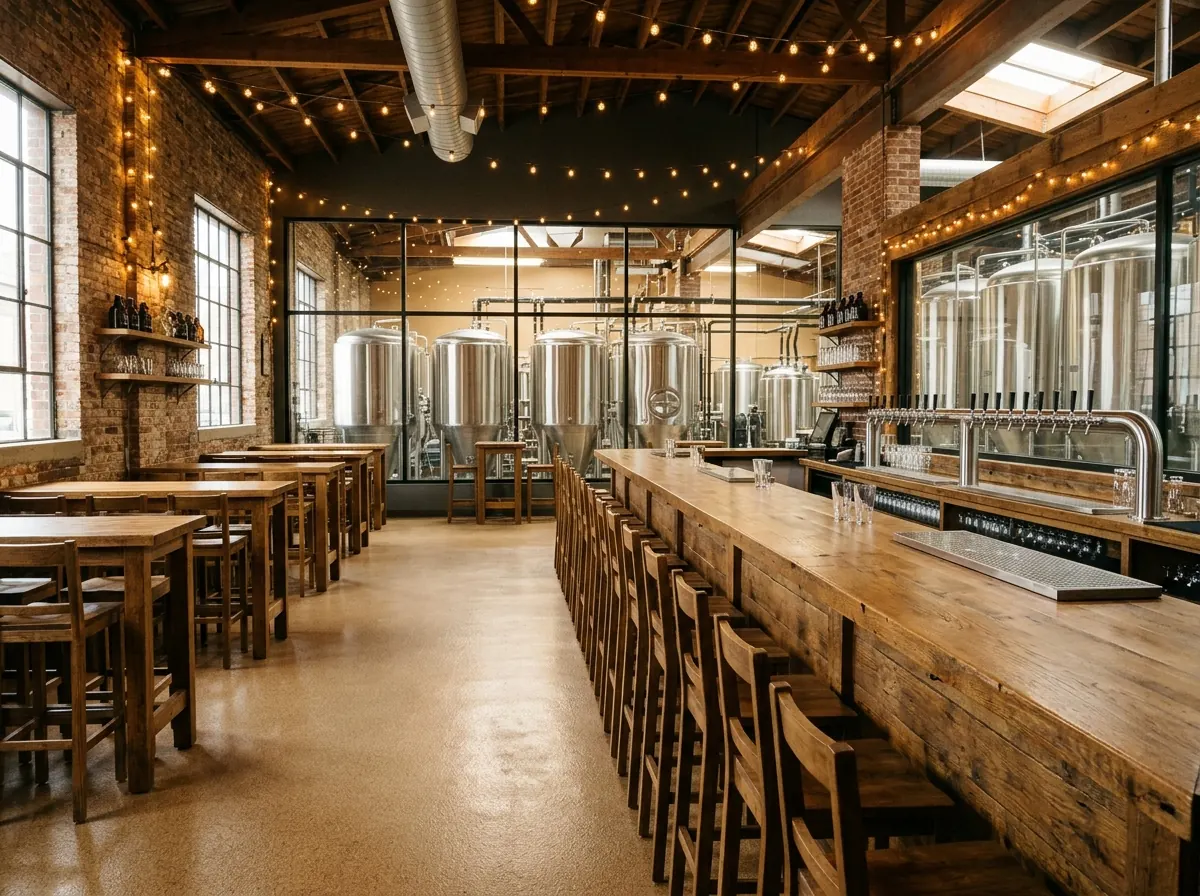
Taprooms
The taproom is the room guests see, so the floor can be about looks: polished concrete, flake or a solid color with a satin topcoat. If food is served, Indiana's retail food code wants floors that are smooth, durable and easy to clean. Spilled beer on a smooth floor gets slick, so ask for a light texture near the bar and plan a clean edge where the taproom floor meets production. A taproom kitchen also brings county plan review into play; commercial kitchen flooring explains what the Vanderburgh County Health Department asks for.
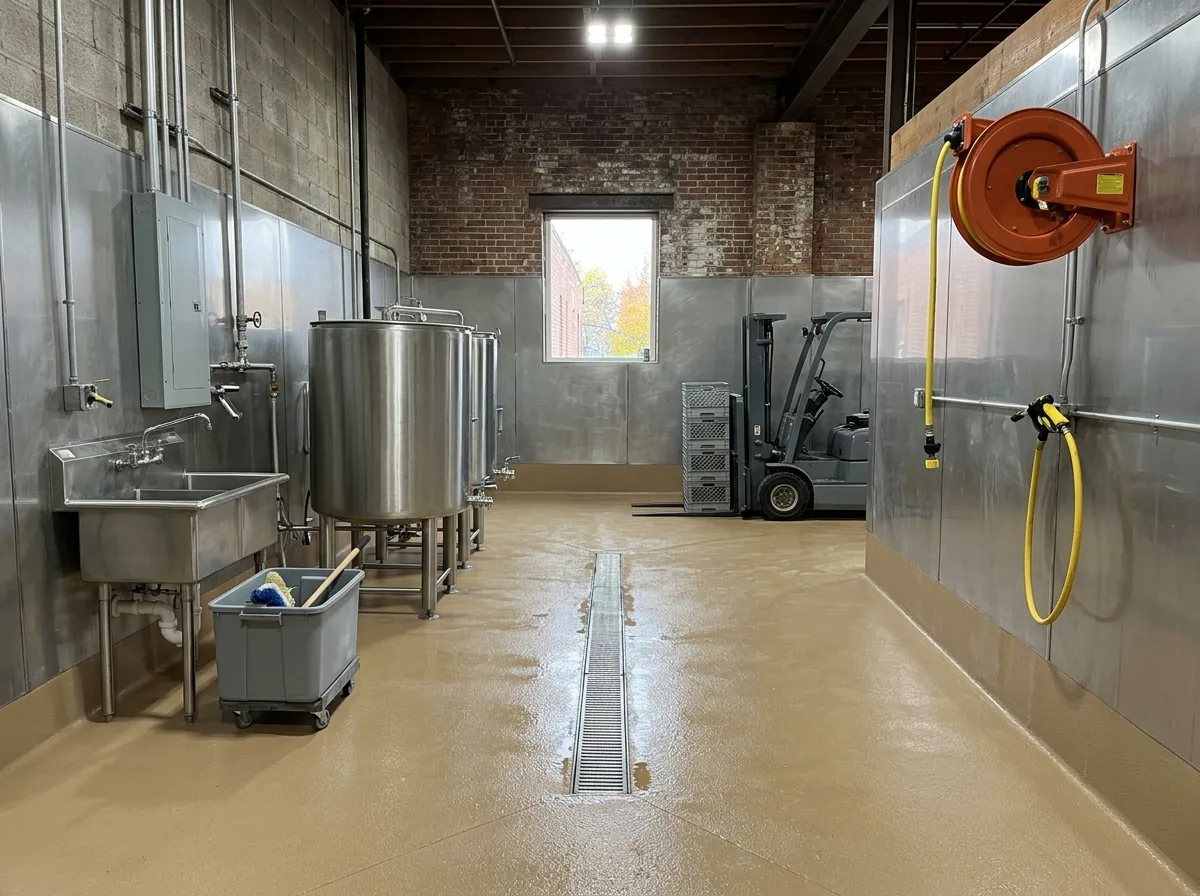
Food Processing Wash-Down Rooms
Food plants answer to federal rules. FDA requires floors that can be adequately cleaned and kept in good repair, and USDA-inspected meat and poultry plants need floors of durable materials impervious to moisture, with floor drainage. For a production area to meet USDA expectations, floors need to be impervious, smooth, easy to clean and sloped to a drain, with slip resistance allowed where safety calls for it. Ask for a coved base along every wash-down wall so water can't sit at the joint.
Why Evansville homeowners and businesses call Evansville Epoxy
- One installer per request, never a list of callers
- Ask for the coating system and cure times in writing
- Ask that the moisture test and grinding appear in the quote
- No charge to you for the referral
Planning a Production Floor Around Brewing Schedules
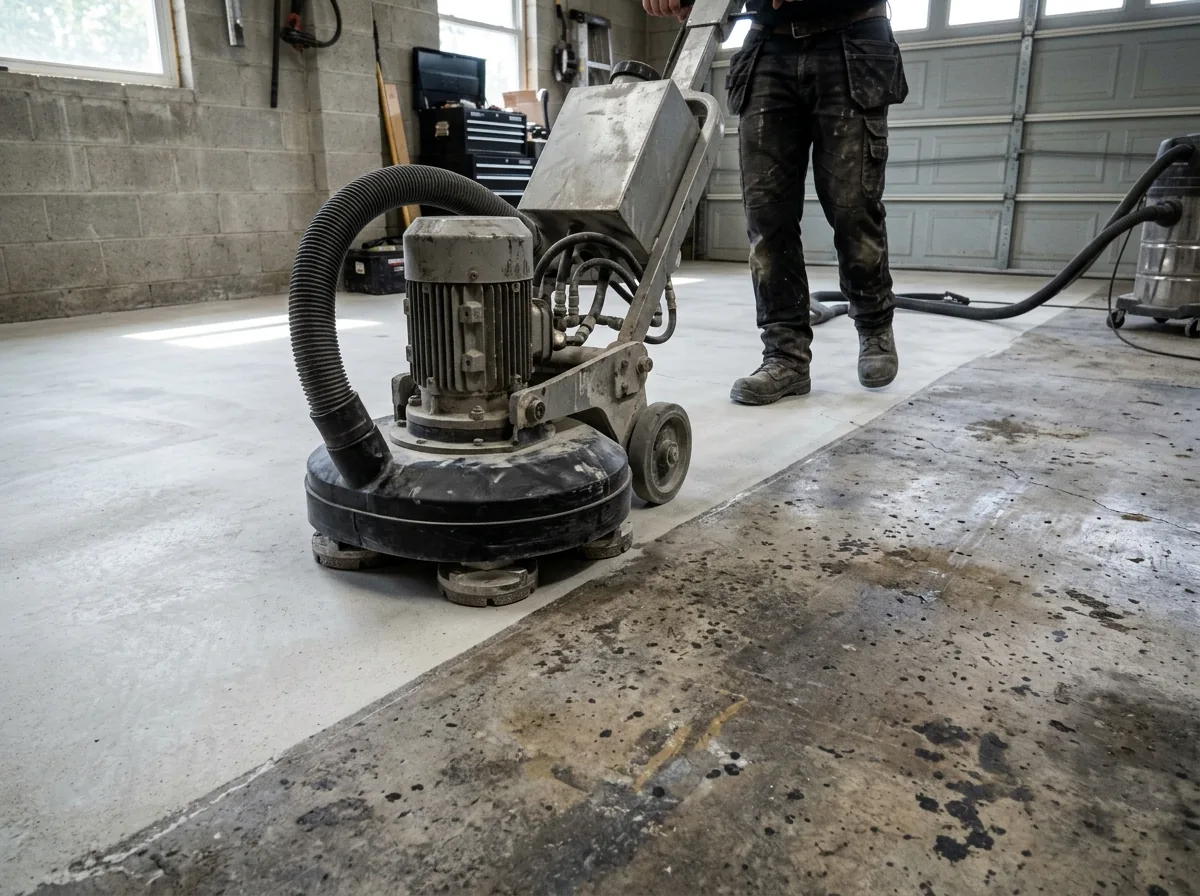
The best time to replace a production floor is when the brew schedule has a gap. Plan the zones so the brewhouse, cellar and packaging can run in turn. Bare brewery slabs soak up spills and pit over the years, and the damaged concrete has to come off before anything goes down, usually by grinding or shot blasting to the profile the system needs. Slabs that stay damp from below need a moisture test as well, because coatings lose their bond on damp concrete.
Ask whether the quote includes the cove base, the drain tie-ins and moisture testing, or lists them as extras. How cove base is built and priced is on the kitchen page.